Introduction
Chronic illnesses like cancer, diabetes, cardiovascular diseases (CVD), neurodegenerative disorders, and chronic inflammatory diseases play a major role in the global disease landscape (1). The increasing number of people with such diseases is largely attributed to factors including aging societies, sedentary lifestyles, unhealthy dietary habits, environmental contamination, and genetic makeup. The latest health data on a world scale shows that besides being responsible for a great number of deaths, chronic non-communicable diseases quite a bit affect the economy through increased medical costs, a decrease in productivity, and a lower quality of life. Given that these diseases have complex and multifactorial causes that usually call for long-term therapies, there is a need to develop effective, safe, and sustainable ways of treatment. Although much progress has been made in medical pharmacology, there are still several shortcomings with the traditional approaches. For example, many synthetic drugs merely alleviate symptoms instead of targeting the root causes, and implementation over a long period often leads to undesirable effects, drug resistance, poor adherence to treatments, and high drug prices (2). Also, many chronic diseases are connected to interrelated biological pathways such as oxidative stress, persistent inflammation, immune dysregulation, mitochondrial dysfunction, and metabolic imbalance (3). It is challenging to find single-target therapeutic agents that could effectively and safely alter these long-associated pathological pathways. These difficulties have motivated research into polypharmacology, which involves the design/script and use of pharmaceutical agents that act on multiple targets or disease pathways and thereby potentially yield desirable therapeutic effects with fewer side effects.
Lately, there has been a resurgence of interest in traditional medicines on a global level as a complementary and alternative form of healthcare. Traditional medicinal systems are increasingly being viewed as a combustible source of lead compounds with many biological activities (4). Collaborative efforts involving the use of traditional wisdom and advanced biomedical research have led to the identification of new drug candidates and also prompted the creation of novel methods of drug delivery. Natural compounds obtained from medicinal plants and mushrooms are the subject of intense research to validate their efficacy in the prevention and treatment of chronic diseases (5). In particular their remarkable properties, including
their ability to counteract oxidative stress, inflammation, microbial infection, modulation of immune responses, and enhancement of tissue regeneration, as well as anticancer effects. Among the four ancient traditional health care systems, the Siddha system is unique, as it is one of the oldest methods of therapy and also owns an integral and comprehensive way of approach to health and well-being (6). The Siddha system of medicine developed in Southern India is very much oriented towards balancing the functions of the human body through the plants’ use of minerals, metals, and diet (7). Phytoconstituents like polyphenols flavonoids, alkaloids, terpenoids, which are known for their medicinal properties, can be found abundantly in the bio-resources of the Siddha system, like Curcuma longa (Turmeric), Phyllanthus emblica (Indian gooseberry), Tinospora cordifolia (Guduchi), Withania somnifera (Ashwagandha), and Azadirachta indica (Neem). These plants exert a protective effect against oxidative stress, have anti-inflammatory actions, and are antidiabetic, antimicrobial, hepatoprotective, neuroprotective, and anticancer in nature, as shown through various experimental investigations. Equally, mushroom-based medicines also have surfaced as a new dimension of natural therapeutic products due to their various bioactive molecules. These medicinal fungi species Ganoderma lucidum (Lingzhi or Reishi), Cordyceps militaris (Caterpillar fungus), Hericium erinaceus (Lion’s mane), Lentinula edodes (Shiitake), and Trametes versicolor (Turkey tail) possess bioactive constituents like β-glucans polysaccharides, triterpenoids, lectins, phenolic components, and ergosterol derivatives (5). Not only have these shown immunomodulatory, antioxidant, anticancer, antimicrobial, neuroprotective, and anti-inflammatory activities in vitro, but also different stages of experimental and preclinical work support the capability of medicinal mushrooms to modulate immune functions, scavenge free radicals, inhibit pro-inflammatory mediators, and induce tissue repair.
Siddha botanicals and medicinal mushrooms have incredible therapeutic potential. But their clinical application is often delayed due to several pharmaceutical issues. Most of the bioactive compounds that are present naturally have one or more of these problems: they are poorly soluble in water, not chemically stable, cannot be well absorbed in the gastrointestinal tract, undergo metabolism very rapidly, have very short biological half-lives, and the delivery of the compound to the specific target is not efficient (8). These issues eventually lead to a decrease in therapeutic effects. Recently, nanotechnology has become a powerful tool for solving drug delivery issues because it enables the modification of the physicochemical and pharmacokinetic properties of natural substances mostly. Nanoformulations like polymeric nanoparticles, lipid nanoparticles, liposomes, nanoemulsions, nanofibers, hydrogels, and metallic nanoparticles can overcome drug solubility largely, protect drug molecules from degradation, allow controlled and sustained drug release, offer targeted delivery, and enhance the internalization of drugs by cells while at the same time reducing systemic toxicity (9, 10). These features of nanotechnology not only merged but also brought about a significant growth in the applications of natural product-based therapeutics for the amelioration of various chronic diseases. A few research articles have been published recently summarizing the therapeutic potential of natural products, medicinal mushrooms, or nanotechnology-based drug delivery alone. Venturella et al. have reviewed in detail the bioactive compounds, pharmacological activities, and clinical applications of medicinal mushrooms, with special reference to their therapeutic efficacy in different diseases (5). Also, Sanjai et al. discussed the combination of naturally derived bioactive compounds with nanotechnology, emphasizing the nanoformulation strategies to improve stability, bioavailability, and clinical translation of therapeutics derived from plants (11). Other reviews have mainly focused on herbal nanoformulations and nanocarrier-based delivery systems to overcome the pharmaceutical limitations of phytochemicals (12, 13). However, these reports are mostly on either medicinal plants, mushrooms, or nanotechnology as separate topics and do not specifically discuss the synergistic integration of Siddha botanicals, medicinal mushrooms, and advanced nanoformulation platforms in a single evidence-based framework for the management of chronic diseases. In addition, the role of Siddha medicine with medicinal mushrooms and modern nanotechnology has not been much discussed, although it has the potential to develop multi-target therapeutic approaches. This review summarizes an extensive review of how this combination of botanical drugs from the Siddha tradition, medicinal mushrooms, and nanoformulations could be a promising approach for long-term disease management. It also presents the high therapeutic potential of these natural resources, the nanotechnology-based drug delivery systems that can be free of challenges, discusses the newest biomedical innovations in human disease areas like cancer, diabetes, chronic wounds, neurodegenerative disorders, and CVD in the application of this model, and finally identifies the limitations due to which they have not been widely accepted yet and makes recommendations on future possibilities for their usage. By bringing together the knowledge of traditional medicine, medicinal mycology, and nanotechnology, this article intends to offer a brief depiction of a rapidly developing area that has immense potential for the development of safe, effective, and novel therapeutic approaches for chronic disease management.
Therapeutic potential of Siddha botanicals
Siddha medicine is one of the oldest systems of traditional medicine. It originated in South India and has been practiced for several centuries to promote well-being and cure various ailments (14). This system revolves around restoring the balance of three essential bodily humors called Vali (Vatham), Azhal (Pitham), and Iyyam (Kabam), which control the normal physiological activities of the body (15). Siddha medicine employs a holistic approach through the amalgamation of herbal medicines, mineral concoctions, diet, and lifestyle changes to not only prevent but also keep in check the diseases. Recently, a lot of scientific researchers have verified the medicinal potentials of the Siddha botanicals, and they are considered as potent suppliers for the creation of new drugs for the treatment of chronic diseases.
The therapeutic property of Siddha botanicals mostly stems from their excellent phytochemical profile, which comprises polyphenols, flavonoids, alkaloids, terpenoids, tannins, and glycosides (16). These compounds have the capability to fight free radicals, reduce inflammation, kill germs, boost immunity, control sugars, destroy cancer cells, and protect the brain. As oxidative stress and persistent inflammation are mainly responsible for the deterioration of various chronic diseases, Siddha medicinal plants are being highly appreciated as multi-target agents capable of therapy (17). One of the Siddha botanicals frequently used is C. longa, which is highly revered for its main chemical curcumin that has very strong antioxidant, anti-inflammatory, anticancer, and wound-healing qualities (18). P. emblica contains a very high level of vitamin C and polyphenols and has been found to be antioxidant, antidiabetic, hepatoprotective, and cardioprotective (19). T. cordifolia is best known for its immunomodulatory, antioxidant, and anti-inflammatory effects, while W. somnifera has withanolides that give it adaptogenic, neuroprotective, and anticancer properties (20, 21). Same thing, A. indica has been the subject of extensive research for its antimicrobial, anti-inflammatory, antioxidant, and wound-healing powers (22). Other Siddha medicinal plants like Ocimum tenuiflorum, Gymnema sylvestre, Andrographis paniculata, and Aloe vera also have significant therapeutic effects leading to the treatment of diabetes infections, inflammatory disorders, and tissue regeneration (23).
Role of mushrooms in Siddha formulations
Mushrooms (Kaalaan) occupy a significant place in Siddha medicine. They are not only valued for their medicinal properties but also for their capacity to alter metals (alchemy). The texts indicate that specific species of mushrooms are employed both as internal medicines and as catalytic substances in the preparation of mineral- and metal-based medicines. According to the literature, mushrooms are useful in the management of fever, chickenpox (Ammai), cholera, chronic ulcers, and inflammation. Decoctions, juice, and paste are the commonly used dosage forms of mushroom. In addition to therapeutic use, mushroom preparations are recommended as preventive medicines during epidemic outbreaks. Also, juice of mushrooms grown under the Albizia amara tree is added to an equal quantity of honey and used in the treatment of ear diseases. Among the various applications of mushrooms in traditional literature is particularly in alchemy (Rasavatham). The literature states that mushrooms contain the properties of iron and gold. Classical texts mention that the juice of mushrooms possesses the properties of Jeya Neer, a highly valued alkaline processing medium employed in the of metals and minerals. One of the important references is found in Bogar 7000, where mushroom-derived alkaline preparations are utilized in the preparation of Uppu Kattu. The text describes the use of mushroom juice in converting mineral salts into stable, assimilable forms suitable for medicinal applications (24, 25).
Medicinal mushrooms as bioactive therapeutics
In recent years, medicinal mushrooms have also been widely looked at in the scientific literature for being natural and rich sources of such ingredients, which could be used not only to cure but also to prevent different illnesses (26). These include mushrooms like truffles—rich in polysaccharides, β-glucans, terpenes phenolics, proteins, sterols, and other secondary metabolites, which possess antioxidant, anti-inflammatory immunomodulatory, antimicrobial, antineoplastic, and neuroprotective properties, among others (27). Since they have this capability of exerting their effects simultaneously on several physiologic pathways, they are not only seen as complementary herbs but also as possible drug delivery systems. It is well known that G. lucidum, or Reishi, which is highly regarded for its many health benefits, has been the subject of countless studies on the bioactive compounds of medicinal mushrooms. This species of mushroom owes its wide spectrum of effects to compounds like β-glucans and triterpenoids, which exert strong immunomodulatory, antioxidant, anti-inflammatory, and antitumor effects. Research has revealed the ability of G. lucidum to modulate immune functions, prevent cancer cell proliferation, lessen oxidative damage, and relieve symptoms of metabolic diseases, which is why it could be a good treatment option for cancer, diabetes, and heart diseases (28).
Medicinal mushroom C. militaris also has a large potential for the biomedical field because it contains cordycepin, polysaccharides, and phenolic compounds. The molecules have been proven to possess such properties as antioxidative, anti-inflammatory, antimicrobial, and antitumor, while they also help to elevate energy production and immune system efficiency. Therapeutic properties of C. militaris have been revealed in diabetes, ongoing inflammation ailments, and brain disorders. This way, it reveals its capability to handle various chronic diseases (29). L. edodes not only acts as one of the most popular edible mushrooms but has also been a medicinal mushroom. Besides being rich in β-glucans, mostly lentinan, which is a known immunostimulatory and antitumor polysaccharide, it has also been shown that L. edodes is capable of exhibiting antioxidant, antimicrobial, and cholesterol-lowering activities, among others, which could be substantial for immune health and the lowering of risk factors for metabolic and CVD (30).
Owing to its distinctive neuroprotective nature, H. erinaceus was the subject of growing fascination. Neurotrophic compounds were discovered in this mushroom, like hericenones and erinacines, which promote nerve growth factor (NGF) production and encourage the regeneration of nerve cells. Experiments have confirmed that H. erinaceus has antioxidant, anti-inflammatory, memory-boosting, and neuroprotective qualities, implying that it might be used to treat neurodegenerative diseases like Alzheimer’s and Parkinson’s (31). Another medicinal mushroom that is important on its own is T. versicolor, which is known for its immunoregulatory polysaccharides, polysaccharide-K (PSK) and polysaccharide peptide (PSP). The immune-boosting, anti-tumor, and cancer therapy-enhancing effects of these substances have already been extensively studied. T. versicolor also exhibits antioxidant and antimicrobial activities, further supporting its role as a complementary therapeutic agent in chronic disease management (32).
Nanoformulations for herbal and mushroom-based therapeutics
Several bioactive components obtained from Siddha herbs and medicinal mushrooms have demonstrated different pharmacological effects, like antioxidant, anti-inflammatory, antimicrobial, immunomodulatory, and anticancer activities. Though, the successful implementation of these compounds clinically is often hindered by various pharmaceutical disadvantages like minimal water solubility, a lack of bioavailability, chemical instability, rapid metabolism, and limited absorption after ingestion (Figure 1). These factors altogether cause a reduction of the therapeutic concentration of bioactive molecules at the site of a disease, thereby resulting in poor clinical outcomes nanotechnology recently came forward as a highly effective method to deal with such a problem by enhancement of physicochemical and pharmacokinetic properties of natural products. Because of this nanoformulations are transforming into a new horizon for the treatment of chronic diseases.
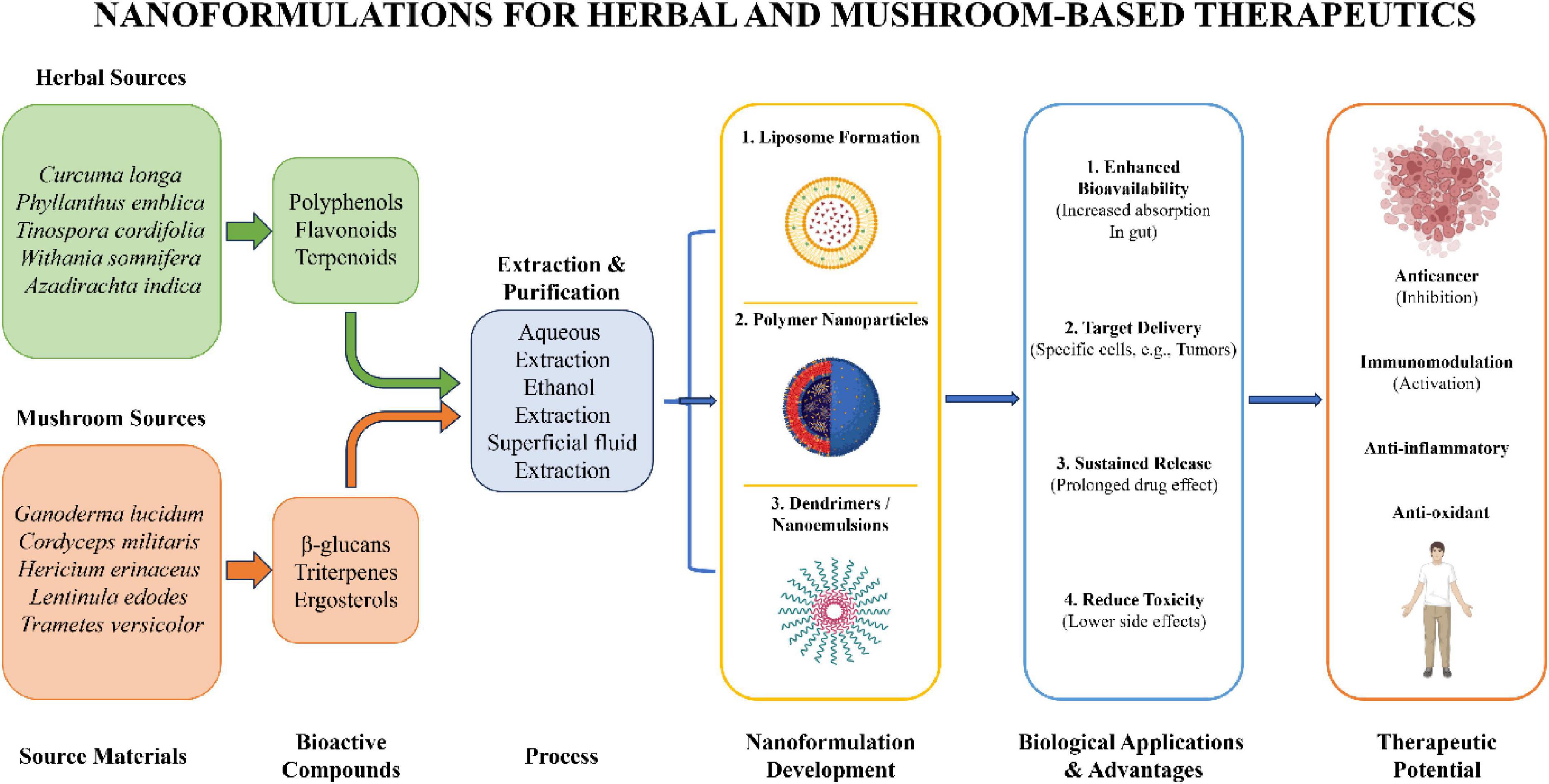
Figure 1. Schematic illustration of nanoformulations for herbal and mushroom-based therapeutics.
Drug administrations of nanoformulation-based systems have various advantages compared to the traditional ones. Initially, by capping the drug molecules within nano carriers, these systems not only protect the bioactive compounds from rapid degradation and degradation but also enhance their solubility, and as a result, the availability of these drugs in the body (33). Besides, such nano drug release systems are capable of providing a controlled and extended release of the active pharmaceutical ingredient so that a continuous therapeutic concentration is achieved in the body, and a reduction in the frequency of the dose administrations is allowed (34). And another major point of nanomedicine is its ability of drug targeting, because the nanomaterials can be tailored to gather only at the diseased regions of the body; this results in the enhancement of pharmacotherapeutic effect and the decrease of unwanted drug side effects (35). All of these features make them perfectly suitable to meet the requirements of long-term treatment of chronic diseases and precise drug delivery needed.
For the conveyance of phytochemicals obtained from plants and mushrooms, the nanocarriers based on synthetic polymers are among the main types of systems extensively studied in the scientific literature as vehicles due to their very high biocompatibility, the biodegradation feature, and the dual drug delivery capability. There are just a few of the reasons why these particles are so appealing. Such carriers make drug loading and the improvement of stability of the drug possible and, in this way, offer a very good solution to the delivery of such compounds (36). There is another delivery system already well-established in this area: liposomes, which are tiny vesicles that have one or more phospholipid bilayers. Liposomes have the ability to encapsulate various types of molecules in their interior, the transporters will carry them across membranes, and the delivery system targets the drug while minimizing the adverse effects on other tissues of the body (37). Along the same lines, solid lipid nanoparticles, exhibiting good physical stability, controlled drug release, and consequent high drug-loading capacity, are excellent carriers for the delivery of natural compounds exhibiting low solubility in water (38).
Nanoemulsions, due to their reduced droplet size, elevated surface area, and the ability to boost the solubility as well as oral delivery of hydrophobic phytochemicals, have been widely used recently. They effectively increase the bioavailability of compounds presenting difficulty in dissolution in water (39). Nanofibers fabricated mostly by electrospinning possess a large surface area and porous structure, contributing to the maintenance of a prolonged drug release and tissue regeneration. This feature of nanofibers makes them excellent materials for the healing of wounds, antimicrobial dressings, and tissue engineering (40). Hydrogels consisting of three-dimensional polymeric networks not only retain large quantities of water but also provide a moist environment for the controlled release of drugs. Being made of materials with great compatibility with human tissues and a high degree of flexibility, hydrogel-based formulations have been extensively researched for site-specific drug delivery and treatment of chronic wounds (41).
Combining nanoformulations with bioactive compounds from Siddha botanicals and medicinal mushrooms has led to great results in various cases of treatment. Not only can nanoencapsulation stabilize these natural substances and make them more bioavailable, but it also allows for their targeted delivery, sustained release, and better cellular uptake. The nanoformulation-based delivery system is considered by the experts to be one of the best ways of using herbs and mushrooms to get the full therapeutic potential out of them and, in the meantime, help with the treatment of the mentioned long-standing conditions such as cancer, diabetes, neurodegenerative disorders, cardiovascular illnesses, and chronic wounds.
Biomedical applications
Cancer
Cancer continues to be one of the biggest causes of disease and death worldwide. Because of the way cancer is structured, development of the disease is usually a complex process, making it rather difficult to stop with conventional medicine only (42). Many of the compounds identified as bioactives in medicinal mushrooms and Siddha botanicals can act as antioxidants, anti-proliferative, and immunomodulators and so can interfere at several steps in tumor progression. Some examples of such phytochemical include curcumin and withanolides with β-glucans and triterpenoids isolated from mushrooms, which were found to have potential for reducing oxidative stress, inducing apoptosis, inhibiting tumor cell proliferation, and activating antitumor immune response (43). Another advantage of phytochemicals formulation using nanotechnology is that bioactives are mostly improved in their therapeutic efficacy. This includes not only enhancing solubility but also preventing degradation and finally, getting into the tumor area by increasing the cellular uptake through the use of an enhanced delivery mechanism (11). Nano-enabled systems of this sort can bring better treatment results and at the same time reduce the risk of systemic toxicity and other side effects that are seen with conventional chemotherapy.
Diabetes
Diabetes mellitus results in long-term high blood sugar, oxidative stress, inflammation, and gradual damage to tissues. Many Siddha medicinal plants like C. longa, P. emblica, and G. sylvestre have anti-hyperglycemic and antioxidant properties, which help in controlling glucose metabolism and enhancing insulin sensitivity (44). Besides this, medicinal mushrooms like G. lucidum and C. militaris have exhibited potential antidiabetic properties by regulating glucose levels and lowering oxidative stress (45, 46). Nanoformulations have the ability to greatly increase the bioavailability and controlled release of these bioactive substances, which, in turn, can improve glycemic management and minimize the complications caused by diabetes. Also, their antioxidant and anti-inflammatory effects might speed up the process of healing diabetic wounds, one of the major clinical problems in diabetes.
Chronic wounds
Chronic wounds, such as diabetic foot ulcers and pressure ulcers, are mostly defined by inflammation that lasts indefinitely, an infection that is hard to get rid of, and the tissue not healing properly. The traditional herbal medicines called Siddha medicines that use the parts of the plants and mushrooms that are believed to have health benefits mainly have antibacterial, antioxidant, and anti-inflammatory properties that may also work together when combined and because of this may be helpful in the healing of wounds (47). On one side, phytochemicals from plants can stop the proliferation of microorganisms and can also help suppress the inflammatory response. Yet the polysaccharides in mushrooms support the immune system regulation and tissue formation. Incorporating these naturally occurring active ingredients into nanofibers, hydrogels, or nanoparticle-based types of wound dressings results in easier and prolonged release of the medication, and besides that, it can help in keeping the wound in moist environment and also in amplifying the therapeutic effects locally. Besides that, these advanced formulations could speed healing at the cellular level, increase collagen synthesis and the development of new blood vessels, and also decrease the possibility of occurrence of infectious diseases of the secondary nature.
Neurodegenerative disorders
The principal symptoms of Alzheimer’s and Parkinson’s diseases are neuronal death and dysfunction caused largely by oxidative stress and chronic inflammation (48). Siddha botanicals like W. somnifera and C. longa really help in neuroprotection and antioxidation, while H. erinaceus is rich in NGF-stimulating compounds that also enhance neuronal growth (49). The mixture of these different natural products may interact to provide various ways to defend neurons and suppress neuroinflammation. Besides that, nanoformulations capable of passing the blood brain barrier Really enhance the delivery of these biologically active molecules to the central nervous system, thereby increasing their therapeutic potential and also addressing the major drawback of present neuroprotective treatments (50).
Cardiovascular diseases
Cardiovascular diseases continues to be one of the root causes of death all over the world and owes its development to redox imbalance, vascular wall damage, low-grade inflammation, and metabolic disorders (51). Siddha botanicals containing polyphenols and flavonoids, plus medicinal mushrooms having β-glucans and triterpenoids, can be considered as a source of antioxidant, anti-inflammatory, lipid-lowering, and cardioprotective properties. These natural, biologically active molecules may help lower the level of reactive oxygen species, restore endothelial function, and prevent vascular tissues from oxidative damage (52). With the help of nanoformulation-based delivery systems, these therapeutic effect mechanisms can be further improved since the limitations of the bioavailability, circulation time, and the selectivity of the delivered nanoparticles are overcome. Because of this, the use of synergistic nanoformulations by combining Siddha botanicals and medicinal mushrooms has great potential for developing novel strategies for the prevention of cardiovascular complications and betterment of long-term vascular health (53).
Challenges and future perspectives
Though Siddha botanicals and medicinal mushrooms hold significant promise as therapies, a number of scientific issues need to be resolved for their clinical use. They are one of such natural therapeutic resources whose major limitations arise, in fact, from really standardized methods of extraction have to be coupled with effective quality control systems; these are not present at all in many natural products. The result is that the same product can exhibit tremendous variation from one batch to another with chemical composition and biological activities. Different natural environments or cultivation methods, the place of origin, or the timing of the harvest, as well as various extraction ways, might definitely contribute to the alteration of the levels of biologically active compounds, leading to difficulties in therapeutic delivery. Apart from this, although many have demonstrated the pharmacological usefulness of these extracts through their experiments both in vitro and in vivo ways, the genetic and cellular mechanisms of these synergistic effects are still mysteries. So, mechanistic investigation is very important for understanding the ways botanicals and mushroom-derived medicinal compounds interact with each other and also for validating their healing efficacy. First, by applying a nanotechnology view, the large-scale usage of herbal and mushroom-based nanoformulations is hampered mainly due to several major challenges. Apart from laboratory testing, a major hurdle comes in the form of manufacturing and producing a commercially viable product by having a scalable and reproducible process. Formulation issues include nanoparticles that might tend to aggregate upon storage and achieving both uniformity and consistency of drug loading and release by the nanoparticles, among other issues. And, it is absolutely important to know about long-term toxicity biodistribution biodegradation, immunogenicity, and nanocarriers in the case of the safe use of such preparations for human administration over a prolonged period of time. Addressing these challenges and finding workarounds thereof are mandatory for the creation of nanotechnologically-based drugs that will also not only work but will work safely and without the side effects.
Clinical adoption too is not an easy thing. In most cases, research involving Siddha botanicals and medicinal mushrooms is still at the basic research level rather than the clinical research stage; for instance, very few well-controlled clinical trials have been carried out to establish effectiveness as well as safety on humans in such natural products. The main challenge is that the formulation of herbal products is not standardized and that the development of treatment protocols does not follow any strict standards, making it a big hassle to evaluate a given product in total or to compare it with another product through a study. But really the herbal medicine and nanotechnology therapeutic regulatory systems vary from country to country leading to complications, in particular product approval, quality assurance, and sales planning in such contexts. So, setting up global criteria for development specification as well as clinical testing of a given product can help herbal nanoformulations to enter the modern medical system more easily and with confidence. Additional investigations would preferably focus on combining multidisciplinary areas, which include traditional medicine, nanotechnology methods that rely on artificial intelligence (AI), and even precision medicine.
With the help of AI, the formulation development can quickly find the best combinations that work with the ingredients from Siddha botanicals, medical mushrooms, and nanocarriers by forecasting their properties, biological compatibility, etc. Designing nanoformulations based on the characteristics of a person and also the condition of a person can enhance therapeutic effectiveness. In this case, nanomedicine personalization allows for the creation of a product that a doctor may feel is appropriate at that moment and which also meets the patient’s wishes and desires. Green syntheses that use plants and fungi to manufacture nanoparticle materials produce less toxic and more environmentally friendly products against the traditionally chemical methods of synthesis. The conclusion is that to bring synergistic nanoformulations to the clinic, it is necessary to combine a team of experts from pharmacology, nanotechnology, clinical medicine, and traditional medicine to generate solid preclinical and clinical data. This collaboration is expected to allow the successful introduction of new nanomaterials for the treatment of chronic diseases in medicine.
Conclusion
Siddha botanicals and medicinal mushrooms contain a diverse range of bioactive compounds that possess various pharmacological effects, like antioxidant, anti-inflammatory immunomodulatory, antimicrobial, and anticancer activities. Besides, their complementary therapeutic mechanisms have a high potential in preventing and treating chronic diseases like cancer, diabetes, cardiovascular disorders, neurodegenerative diseases, and chronic wounds. This way, using these natural products together may offer an effective way of creating multi-functional drugs that can simultaneously target various pathological pathways. Also, the use of nanotechnology has greatly improved the therapeutic effectiveness of Siddha botanicals and medicinal mushrooms while solving some of their natural shortfalls such as poor solubility, low bioavailability, chemical instability, and lack of target specificity. Various nanoformulations like polymeric nanoparticles, liposomes, solid lipid nanoparticles, nanoemulsions, nanofibers, and hydrogels are capable of enhancing the stability, controlled release, bioavailability, and targeted delivery of bioactive compounds because of this, improving their therapeutic efficacy while minimizing systemic toxicity. The combination of Siddha botanicals and medicinal mushrooms in synergistic nanoformulations is a promising avenue for new drug development, but it is still in the nascent stage of clinical application. Further investigations are needed to uncover the molecular mechanisms of their synergistic effects, to prepare standardized formulations with consistent quality, and to carry out thoroughly designed preclinical and clinical trials to ensure their safety and efficacy. As nanotechnology continues to develop and interdisciplinary collaboration extends, these integrative therapeutic approaches could greatly impact the production of safe, effective, and sustainable treatments for managing chronic diseases.
Ethics statement
Not applicable.
Funding
The author(s) declared that financial support was not received for this work and/or its publication.
Conflict of interest
The authors declare that the research was conducted in the absence of any commercial or financial relationships that could be construed as a potential conflict of interest.
References
1. Libby P, Smith R, Rubin EJ, Glassberg MK, Farkouh ME, Rosenson RS. Inflammation unites diverse acute and chronic diseases. Eur J Clin Invest. (2024) 54(11):e14280. doi: 10.1111/eci.14280
2. Hanson GR, Venturelli PJ, Platteborze P. Drugs and Society. Burlington, MA: Jones & Bartlett Learning (2022).
3. Jiang S, Liu H, Li C. Dietary regulation of oxidative stress in chronic metabolic diseases. Foods. (2021) 10(8):1854. doi: 10.3390/foods10081854
4. McRae A, Vilcins D, Le H, Gorman J, Brune Drisse MN, Onyon L , et al. Lead in traditional and complementary medicine: a systematic review. Rev Environ Health. (2024) 39(1):111–20. doi: 10.1515/reveh-2022-0079
5. Venturella G, Ferraro V, Cirlincione F, Gargano ML. Medicinal mushrooms: bioactive compounds, use, and clinical trials. Int J Mol Sci. (2021) 22(2):634. doi: 10.3390/ijms22020634
6. Shaheen S, Sarwar S. Herbal wisdom through time: the evolution of medicinal plants utilization. In: Ansari MKA, Ahmad M, Owens G editors. Plants as Medicine and Aromatics: Uses of Botanicals. Boca Raton, FL: CRC Press (2024). p. 343–56.
8. Palai S, Priyadarshini A, Sadangi S. Challenges in effective delivery and utilization of bioactive compounds. In: Wani SA, Naik HR editors. Harnessing Nanoencapsulation: Valorization of Bioactive Compounds for Health and Beyond. Cham: Springer (2025). p. 53–72.
9. Selvaraj S, Chauhan A, Radhakrishnan A, Rana G, Dutta V, Batoo KM , et al. Cerium oxide nanoparticles and their polymeric composites: advancements in biomedical applications. J Inorgan Organomet Poly Mater. (2024) 34(12):5691–717. doi: 10.1007/s10904-024-03263-5
10. Selvaraj S, Subbarayan R, Chauhan A, Jabir M, Ghotekar S. MXene-loaded hydrogels for tissue regeneration: a review of recent advances and future perspectives. J Mater Chem B. (2026) 14(13):3972–93. doi: 10.1039/d5tb02696b
11. Sanjai C, Gaonkar SL, Hakkimane SS. Harnessing nature’s toolbox: naturally derived bioactive compounds in nanotechnology enhanced formulations. ACS Omega. (2024) 9(43):43302–18. doi: 10.1021/acsomega.4c07756
12. Tijani NA, Hokello J, Awojobi KO, Marnadu R, Shkir M, Ahmad Z , et al. Recent advances in mushroom-mediated nanoparticles: a critical review of mushroom biology, nanoparticles synthesis, types, characteristics and applications. J Drug Deliv Sci Technol. (2024) 96:105695. doi: 10.1016/j.jddst.2024.105695
13. Anand A, Gautam P, Ojha S. Application of nanotechnology for herbal medicine development: a review. Lett Drug Des Disc. (2024) 21(8):1325–33. doi: 10.2174/1570180820666230308105723
14. Jeyavenkatesh J, Saleem AM, Sridhar S, Muthukumar NJ, Ramani SR. Unveiling the intertwined heritage of Siddha and Ayurveda medical systems. J Indian Med Heritage. (2025) 4(1):16–32. doi: 10.4103/jimh.jimh_1_25
15. SriSakthiLogisha M, Ramamoorthy V, Nivetha G, Muthukumar NJ, Mahalakshmi V. Understanding the role of KABAM in siddha medicine: a scientific analysis of dietary and lifestyle factors. Bioinformation. (2025) 21(5):930–6. doi: 10.6026/973206300210930
16. Thilagavathi R, Begum SS, Varatharaj SD, Balasubramaniam AK, George JS, Selvam C. Recent insights into the hepatoprotective potential of medicinal plants and plant-derived compounds. Phytother Res. (2023) 37(5):2102–18. doi: 10.1002/ptr.7821
17. Mubeen B, Hasnain A, Naqvi SAH, Hakim F, Naqvi SSH, Hassan MZ , et al. Phytochemicals as multi-target therapeutic agents for oxidative stress-driven pathologies: mechanisms, synergies, and clinical prospects. Phyton. (2025) 94(7):1941–71. doi: 10.32604/phyton.2025.064056
18. Saha S. The ethonomedical profiles and pharmacological properties of phytochemicals from Curcuma longa Linn. - a decade update. ChemistrySelect. (2024) 9(47):e202402443. doi: 10.1002/slct.202402443
19. Prananda AT, Dalimunthe A, Harahap U, Simanjuntak Y, Peronika E, Karosekali NE , et al. Phyllanthus emblica: a comprehensive review of its phytochemical composition and pharmacological properties. Front Pharmacol. (2023) 14:1288618. doi: 10.3389/fphar.2023.1288618
20. Yates CR, Bruno EJ, Yates MED. Tinospora Cordifolia: a review of its immunomodulatory properties. J Diet Suppl. (2022) 19(2):271–85. doi: 10.1080/19390211.2021.1873214
21. Khalid MU, Sultan MT, Baig I, Abbas A, Noman AM, Zinedine A , et al. A comprehensive review on the bioactivity and pharmacological attributes of Withania somnifera. Nat Prod Res. (2025):1–15. doi: 10.1080/14786419.2025.2499070
22. Sharma D, Sharma S, Mandal V, Dhobi M. Unveiling the anti-inflammatory potential of Acalypha indica L. and analyzing its research trend: digging deep to learn deep. Naunyn Schmiedebergs Arch Pharmacol. (2024) 397(4):1935–56. doi: 10.1007/s00210-023-02734-9
23. Bharathy P, Thanikachalam PV. Harnessing traditional herbal medicine: molecular insights into diabetic wound healing for modern therapeutics. Dig Chin Med. (2024) 7(4):388–404. doi: 10.1016/j.dcmed.2025.01.003
24. Murugesa Mudaliyar KS. Gunapadam: Mooligai Vaguppu. Part 1. Chennai: Department of Indian Medicine and Homeopathy (1936).
25. Bogar S. Bogar 7000. (1975). Available online at: https://archive.org/details/Bogar7000-1mKaandam/page/n5/mode/2up
26. Bell V, Silva CRPG, Guina J, Fernandes TH. Mushrooms as future generation healthy foods. Front Nutr. (2022) 9:1050099. doi: 10.3389/fnut.2022.1050099
27. Baldelli S, Aiello G, De Bruno A, Castelli S, Lombardo M, Stocchi V , et al. Bioactive compounds and antioxidant potential of truffles: a comprehensive review. Antioxidants (Basel). (2025) 14(11):1341. doi: 10.3390/antiox14111341
28. Ren S, Liu H, Sang Q, Lu M, Gao Q, Chen W. A review of bioactive components and pharmacological effects of Ganoderma lucidum. Food Sci Nutr. (2025) 13(7):e70623. doi: 10.1002/fsn3.70623
29. Phull AR, Ahmed M, Park HJ. Cordyceps militaris as a bio functional food source: pharmacological potential, anti-inflammatory actions and related molecular mechanisms. Microorganisms. (2022) 10(2):405. doi: 10.3390/microorganisms10020405
30. Spim SRV, Pistila AMH, Pickler TB, Silva MT, Grotto D. Effects of shiitake culinary-medicinal mushroom, Lentinus edodes (agaricomycetes), bars on lipid and antioxidant profiles in individuals with borderline high cholesterol: a double-blind randomized clinical trial. Int J Med Mushrooms. (2021) 23(7):1–12. doi: 10.1615/IntJMedMushrooms.2021038773
31. Szućko-Kociuba I, Trzeciak-Ryczek A, Kupnicka P, Chlubek D. Neurotrophic and neuroprotective effects of Hericium erinaceus. Int J Mol Sci. (2023) 24(21):15960. doi: 10.3390/ijms242115960
32. Ajibola OO, Nolasco-Hipolito C, Carvajal-Zarrabal O, Salleh SF, Adeyinka GC, Adefegha SA , et al. Turkey tail mushroom (Trametes versicolor): an edible macrofungi with immense medicinal properties. Curr Opin Food Sci. (2024) 58:101191. doi: 10.1016/j.cofs.2024.101191
33. Lv Y, Li W, Liao W, Jiang H, Liu Y, Cao J , et al. Nano-drug delivery systems based on natural products. Int J Nanomedicine. (2024) 19:541–69. doi: 10.2147/IJN.S443692
34. Adepu S, Ramakrishna S. Controlled drug delivery systems: current status and future directions. Molecules. (2021) 26(19):5905. doi: 10.3390/molecules26195905
35. Dey S, Hassan S, Pandey RK. Nanomedicine in targeted drug delivery: precision therapeutics for personalized medicine. In: Gautam V, Kumar R, Das Manandhar K, Kamble SC editors. Nanomedicine: Innovations, Applications, and Breakthroughs in the Quest for Health and Medicine’s Future. Cham: Springer (2024). p. 179–231.
36. Bilia AR, Piazzini V, Risaliti L, Vanti G, Casamonti M, Wang M , et al. Nanocarriers: a successful tool to increase solubility, stability andoptimise bioefficacy of natural constituents. Curr Med Chem. (2019) 26(24):4631–56. doi: 10.2174/0929867325666181101110050
37. Zhang X, Liu W, Chu H, Zong W. Liposomes: a breakthrough in advanced drug delivery systems. Adv Colloid Interface Sci. (2026) 353:103887. doi: 10.1016/j.cis.2026.103887
38. Jacob S, Rao R, Gorain B, Boddu SHS, Nair AB. Solid lipid nanoparticles and nanostructured lipid carriers for anticancer phytochemical delivery: advances, challenges, and future prospects. Pharmaceutics. (2025) 17(8):1079. doi: 10.3390/pharmaceutics17081079
39. Zuccari G, Alfei S. Development of phytochemical delivery systems by nano-suspension and nano-emulsion techniques. Int J Mol Sci. (2023) 24(12):9824. doi: 10.3390/ijms24129824
40. Hiwrale A, Bharati S, Pingale P, Rajput A. Nanofibers: a current era in drug delivery system. Heliyon. (2023) 9(9):e18917. doi: 10.1016/j.heliyon.2023.e18917
41. Selvaraj S, Dutta V, Gopalakrishnan C, Subbarayan R, Rana G, Radhakrishnan A , et al. Biomedical potential of hydrogels: a multifaceted approach to innovative medication delivery. Emerg Materials. (2024) 7(3):721–63. doi: 10.1007/s42247-024-00643-y
42. Siegel RL, Kratzer TB, Wagle NS, Sung H, Jemal A. Cancer statistics, 2026. CA Cancer J Clin. (2026) 76(1):e70043. doi: 10.3322/caac.70043
43. Alanazi HH, Elfaki E. The immunomodulatory role of Withania somnifera (L.) dunal in inflammatory diseases. Front Pharmacol. (2023) 14:1084757. doi: 10.3389/fphar.2023.1084757
44. Malik AK, Redhu A, Mohiuddin I, Schmitt-Kopplin P. Exploring the pharmacological evaluation of Indian medicinal herbs for managing diabetes. Curr Anal Chem. (2025) 21(4):610–26. doi: 10.2174/0115734110343503250217080253
45. Liu X, Dun M, Jian T, Sun Y, Wang M, Zhang G , et al. Cordyceps militaris extracts and cordycepin ameliorate type 2 diabetes mellitus by modulating the gut microbiota and metabolites. Front Pharmacol. (2023) 14:1134429. doi: 10.3389/fphar.2023.1134429
46. Wińska K, Mączka W, Gabryelska K, Grabarczyk M. Mushrooms of the genus ganoderma used to treat diabetes and insulin resistance. Molecules. (2019) 24(22):4075. doi: 10.3390/molecules24224075
47. Meenakumari R, Suba V, Paargavi AS, Karthik K. Spices in Siddha traditional medicine. In: Ravindran PN, Sivaraman K, Devasahayam S, Nirmal Babu K editors. Handbook of Spices in India: 75 Years of Research and Development. Singapore: Springer (2024). p. 4191–216.
48. Agnihotri A, Aruoma OI. Alzheimer’s disease and Parkinson’s disease: a nutritional toxicology perspective of the impact of oxidative stress, mitochondrial dysfunction, nutrigenomics and environmental chemicals. J Am Coll Nutr. (2020) 39(1):16–27. doi: 10.1080/07315724.2019.1683379
49. Gangadharan T, Arumugam M. Siddha medicine and modern neuroscience: a synergistic approach to neurological care. 3 Biotech. (2025) 15(4):96. doi: 10.1007/s13205-025-04265-x
50. Liu J, Wang T, Dong J, Lu Y. The blood-brain barriers: novel nanocarriers for central nervous system diseases. J Nanobiotechnology. (2025) 23(1):146. doi: 10.1186/s12951-025-03247-8
51. Wang K, Dong Y, Liu J, Qian L, Wang T, Gao X , et al. Effects of REDOX in regulating and treatment of metabolic and inflammatory cardiovascular diseases. Oxid Med Cell Longev. (2020) 2020(1):5860356. doi: 10.1155/2020/5860356
52. Kumar S, Singh B. Boerhavia diffusa L.: integrative traditional uses, phytochemistry, pharmacological properties, and quality control/quality assurance. Chem Biodivers. (2026) 23(2):e01724. doi: 10.1002/cbdv.202501724
53. Singh AK, Bahadur S, Yadav D, Dabas H. Pharmaceutical and pharmacokinetic aspects of nanoformulation based drug delivery systems for anti-cancer drugs. Curr Pharm Des. (2023) 29(24):1896–906. doi: 10.2174/1381612829666230824144727
© The Author(s). 2026 Open Access This article is distributed under the terms of the Creative Commons Attribution 4.0 International License (https://creativecommons.org/licenses/by/4.0/), which permits unrestricted use, distribution, and reproduction in any medium, provided you give appropriate credit to the original author(s) and the source, provide a link to the Creative Commons license, and indicate if changes were made.