Introduction
Modifications made after regulatory approval post-approval changes (PACs) are an essential element of pharmaceutical product lifecycle management and usually have an unavoidable regulatory environment effect within every jurisdiction across the globe (1). Types of PACs are created for a variety of reasons: the need to upgrade equipment; renovate facilities; scale up manufacturing capacities; optimize processes; and implement continuous improvements to current processes, equipment, and/or personnel utilized in the manufacturing process, etc. To preserve the continued effectiveness, safety, and quality of marketed pharmaceutical products, all changes that occur post-approval must be supported by science and documentation and follow established regulatory processes through the appropriate regulatory agency (e.g., US FDA) to ensure the consistency of manufacturing & process changes will not negatively affect the clinical performance or critical quality attributes (CQAs) of the product throughout the life cycle of the product (2).
Effective management of PACs requires the use of strong chemistry, manufacturing, and controls (CMC) data; comprehensive knowledge of product risk; and established procedures or policies in place for change management systems (3). The purpose of regulatory monitoring after approval is to assure that manufacturing processes and/or changes made to a manufacturing process will not negatively impact the clinical performance or the CQAs of the product over the commercial life of the product (4).
Complexity regarding regulatory issues associated with PACs increases when the product is based on nanotechnology. Nanotechnology products (e.g., liposome, lipid nanoparticles, polymeric nanoparticles, nanosuspensions, etc.) continue to provide opportunities for growth through complex drug delivery systems with significant therapeutic benefits but also create unique regulatory challenges. Nanomaterials used in pharmaceutical applications are also subject to the same strict guidelines; however, they are subject to even stricter guidelines due to the larger number of variables that impact how the material behaves in vivo compared to traditional dosage forms. Because of the increased complexity and variability of nanomaterials, any and all modifications made after approval could have a significant impact on safety, efficacy, and in vivo performance. For these reasons, regulatory bodies
emphasize much more comprehensive physicochemical characterization, CMC control systems, and a risk-based evaluation process of PACs for nanopharmaceuticals compared to PACs.
Methodology
This review article discusses the outcomes of a qualitative review of relevant guidelines, related policy documents, and scientific literature on the topic of pharmaceutical product PACs relating to formulation and composition (5). The primary sources of information for this review were official publications, guidelines, and scientific literature in the form of peer-reviewed journal articles from PubMed and Google Scholar related to PACs from the United States Food and Drug Administration (US FDA), European Medicines Agency (EMA), and International Council for Harmonization (ICH). The qualitative review utilized primary keywords such as “post-approval changes,” “CMC variations,” “regulation of nanopharmaceuticals,” “priority review,” and “pharmaceutical lifecycle management” to search for articles published between 2010 and 2025, as it is likely that research and literature before 2010 is no longer applicable to 21st-century pharmaceutical regulations. As literature was identified for analysis, data from all identified sources were collected and synthesized into a comprehensive overview.
Post-approval changes in USFDA
An understanding of product risks and how to effectively mitigate risks is critical to successful regulatory reviews of chemistry, manufacturing, and controls (CMC) improvements (6). In 2014, the Food and Drug Administration (FDA) published guidance documents outlining potential CMC improvements that require annual reporting and general approval. As outlined in these documents, an applicant will be required to select the most appropriate submission process by utilizing relevant scientific evidence and conducting a formal risk assessment. Depending on the applicant’s risk assessment of the CMC improvement(s), an applicant may be required to submit their proposed changes to the appropriate agency via Prior Approval Supplement (PAS), Changes Being Effected in 30 Days (CBE-30), or annual report, and this will assist in determining how to change the CMC of a regulated product. The FDA must ensure that any change made to the chemistry, manufacture, or control of a regulated product receives appropriate evaluation and management (7, 8). To do this, there is a systematic process by which an applicant’s risks and scientific data will enhance the applicant’s ability to demonstrate the appropriate submission method for the change. In this way, CMC improvements will enhance the quality and safety of regulated products while also minimizing the need for extensive involvement from regulatory agencies (9).
Global regulatory perspectives on post-approval changes
The United States government, through its FDA, imposes a PAC management framework (21cfr314.70). However, there are varying degrees of regulatory oversight from one country to another. For example, the EMA classifies its post-approval variations into three categories (i.e., Type IA, IB, and II) according to their risk and potential impact on the quality, safety, and efficacy of a product. Meanwhile, the ICH has developed Harmonized Guidelines (i.e., ICH Q12), which focus on lifecycle management, risked-based decision-making and regulatory flexibility so that countries may have greater consistency between their drug review processes (10). In comparison to the PAS, CBE-30, and annual reports of the FDA, the EMA has a much more structured system for classifying variations; on the other hand, the ICH offers an even broader basis for harmonizing regulatory expectations worldwide. Despite this work, continued differences in the manner in which each country implements their regulations and records and processes are a constant challenge for pharmaceutical companies that operate in more than one regulatory jurisdiction.
The complexities introduced by today’s pharmaceutical products, in particular products using advanced delivery systems and nanotechnology, create an even greater need for alignment amongst regulatory bodies. Enhanced harmonization and the adoption of science- and risk-based regulatory processes will be critical components in achieving effective life cycle management and maintaining comparable product quality across global markets. A comparison of post-approval change classification and regulatory focus across major regulatory authorities is presented in Table 1 (11, 12).
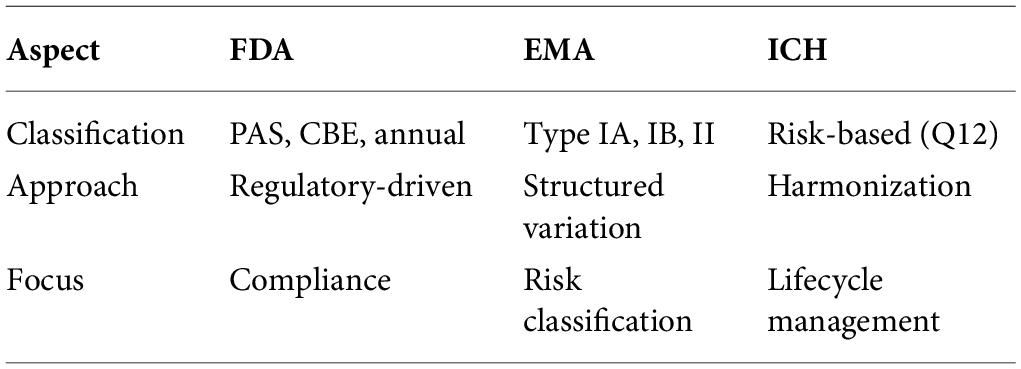
Table 1. Global regulatory comparison of post-approval change classification (FDA, EMA, ICH).
Post-approval CMC changes in nanomaterial-based drug products
Post-approval changes to CMC become even more complex for nanomaterial-based pharmaceuticals since they are very sensitive to manufacturing and process changes. Unlike traditional dosage forms, more stringent controls must be placed on the manufacture of nanopharmaceuticals because even minor changes may have a considerable impact on clinical performance and product quality. Changes to CQAs, such as particle size distributions, are directly impacting the safety, biodistribution, and bioavailability of products made using nanomaterials (13). Critical process parameters controlling how nanoparticles are produced and stable can be changed from post-approval modifications such as equipment upgrades, process scaling, or changing the manufacturing facility location. Furthermore, any changes to the physicochemical characteristics of the raw materials used in the formulation and/or excipients will similarly affect the properties of nanoparticles.
Therefore, post-approval modifications for drug products made using nanomaterials will generally be classified as either moderate or severe changes, where modifications that would be considered minor for traditional formulations would typically be classified as moderate to severe for nanomaterial drug products. The FDA applies a very conservative and risk-based regulatory approach to the development of drug products made using nanomaterials with an emphasis on detailed characterization and strong CMC justification to ensure consistency of product quality and safety for patients over the entire product lifecycle.
Classification of PAC based on regulatory submission type and applicable regulations is summarized in Table 2 (Figure 1) (14).
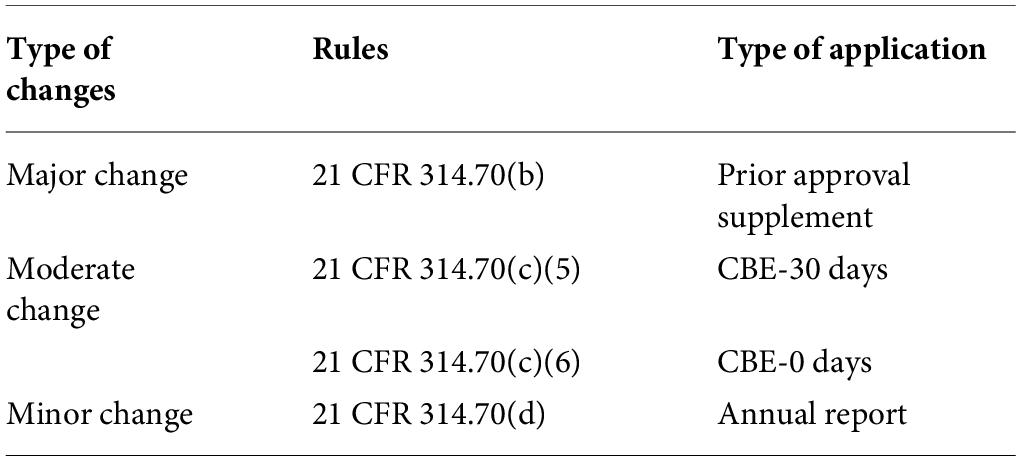
Table 2. Classification of post-approval changes (PAC) based on supplement type.
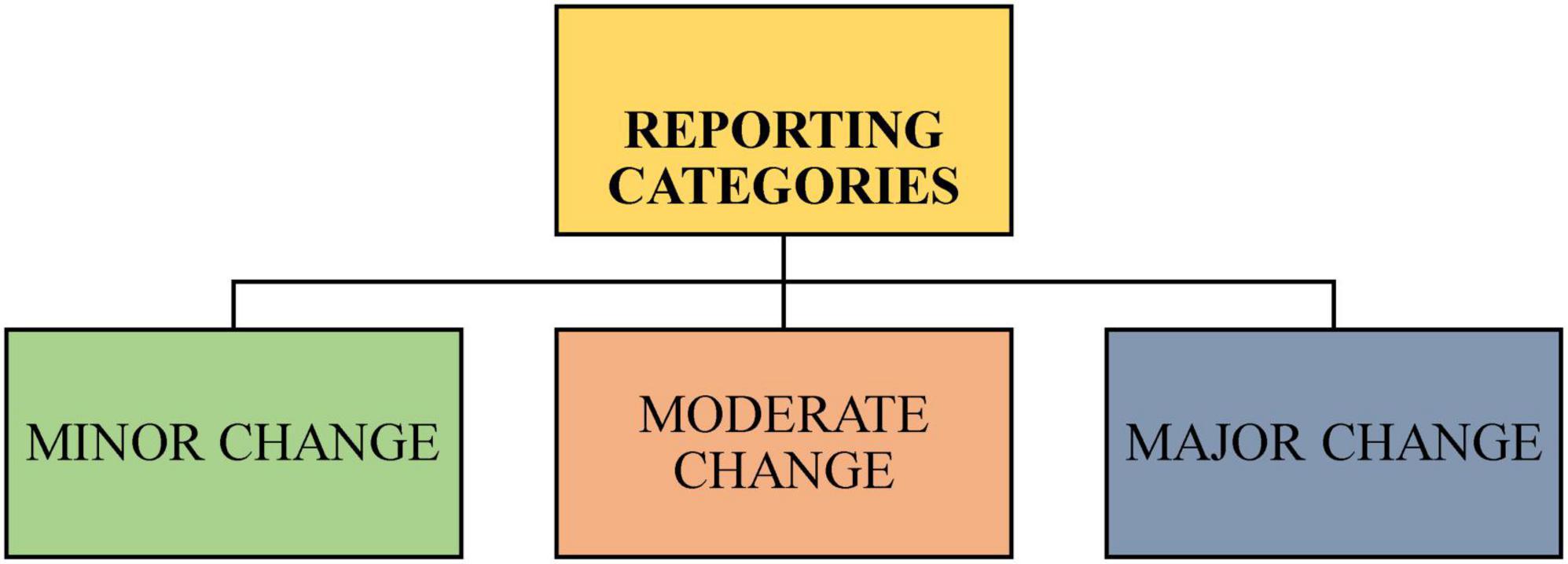
Figure 1. Classification based on the type of supplement and rules.
Reporting categories of changes and estimated timeline for approval according to USFDA regulations
The reporting categories and estimated timelines for approval of PAC according to regulatory requirements are shown in Table 3 (14).
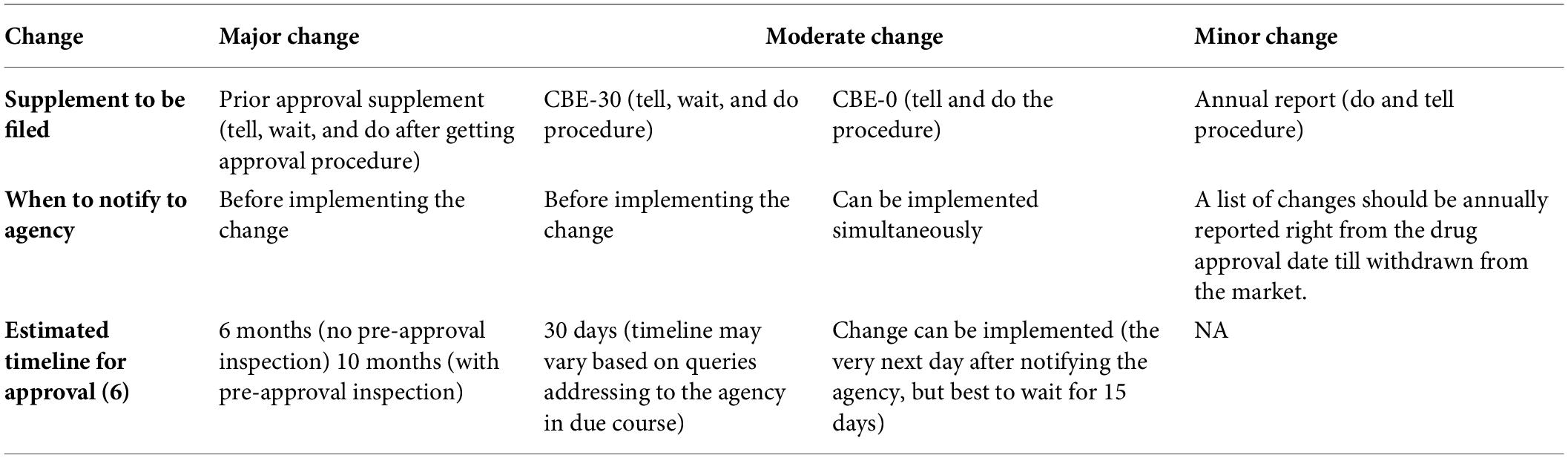
Table 3. Reporting categories and estimated timelines for FDA submissions.
Case studies in post-approval regulatory adaptations
The following case studies illustrate how non-approved regulatory changes can have real-world effects on the approved product after marketing approval has been granted: the manufacturing and regulatory changes that have occurred to commercialize a medicinal product.
Case study no. 1: impact of particle size modification in nanopharmaceuticals
During the scale-up of a lipid nanoparticle-based drug product, a minor variation in particle size distribution (i.e., size variations) resulted in manufacturing process changes. These small differences in particle size distribution resulted in a very significant impact on the release of drug from lipid nanoparticles and, therefore, on the biodistribution of drug at the target site. Both release of drug from lipid nanoparticles and biodistribution of drug at the target site are CQAs of any nanomedicine product; thus, this change was classified as a major variation and subsequently required an approved PAS from the FDA. Additionally, this case study clearly illustrates the high sensitivity of nanomedicine products to small variations in the manufacturing process, thus necessitating stringent regulatory oversight/approval (12).
Case study 2: facility relocation and its regulatory implications
Pharmaceutical companies have to worry about their manufacturing plants moving locations and trying to meet increased manufacturer capacity or keep their supplies flowing after relocation due to several reasons, which can include but not limited to, differences in the equipment used at each plant, the processes that each manufacturing facility uses, and the environmental conditions of each facility, will present a risk of potential regulatory authority requiring companies to have comparable data prior to moving into a new facility. This case study demonstrates how a new facility is considered a high-risk change within the lifecycle management framework (11).
Case study 3: priority review in response to drug shortages
A company faced a drug shortage and requested priority review on a supplement submission to implement a manufacturing change in order to allow time to do a priority review to help expedite their regulatory review process so that their patients could have faster access to their drugs, as obtaining flexibility from the manufactures, while at the same time providing regulatory flexibility is important for preventing interruptions to the supply of their drug products, and expedited pathways for drugs provide a way to facilitate public health goals while still maintaining drug quality and safety (15, 16).
In conclusion, these case studies demonstrate the importance of regulatory systems that are based on risk-based processes for managing regulatory compliance due to the complex nature of drug products and being able to adapt as the manner in which drug products are manufactured continues to change.
Regulatory strategy: priority review
Beyond its regulatory processes, priority reviews represent a tool that can be used strategically throughout the pharmaceutical life cycle (17). In some situations (i.e., drug shortages, emergencies affecting public health, changes in manufacturing), priority reviews allow the FDA to expedite reviews of supplements and applications (NDA), and when done effectively, can reduce time-to-market and help ensure drug supply reliability (1, 18). Furthermore, the flexibility of the regulatory process used to assign priority status reflects a changing paradigm for regulators concerning patient-centric, risk-based decision-making. Finally, whilst requiring ample scientific justification and being closely aligned with public health priorities, priority review designations are inherently restrictive and extremely powerful in terms of regulation. MAPP 5240.3 Rev. 5 governs the Priority Review of Abbreviated New Drug Applications (ANDAs), amendments, and supplements. This allows for accelerated FDA review for submissions pertaining to public health emergencies, drug shortages, specific government purchasing programs, or circumstances where review delays may result in undue hardship under Section 505(j)(11)(A) of the FD&C Act. When you request a priority review, it is very important to put “Priority Review Requested” on the letter to help us identify your submission as such and include both the appropriate ANDA number followed by an appropriate justification letter (which must also be supported by adequate documentation). Although it is encouraged that requests for prioritization be made by applicants, the FDA will also independently designate a submission as priority review if it determines that its contribution to public health is significant enough to recommend prioritizing it as a priority. For appropriate submissions, the FDA may expedite review or assign an earlier goal date. If eligibility is determined after submission, qualifying for priority review does not change the original goal date, and fulfilling more than one prioritization criterion does not provide an extra benefit. An ANDA, amendment, or supplement may be eligible for expedited review if any of its components meet the requirements. Except in cases when prioritizing is required to address a serious public health issue, submissions related to facilities that are officially action-indicated are typically not eligible for priority consideration. The Office of Generic Drugs (OGD) consults with the Office of Pharmaceutical Quality (OPQ) and other pertinent FDA offices before making final decisions about priority designation.
Categories of submissions eligible for priority review under MAPP 5240.3 REV. 5
Categories of submissions eligible for priority review under the regulatory framework are outlined in Table 4 (15).
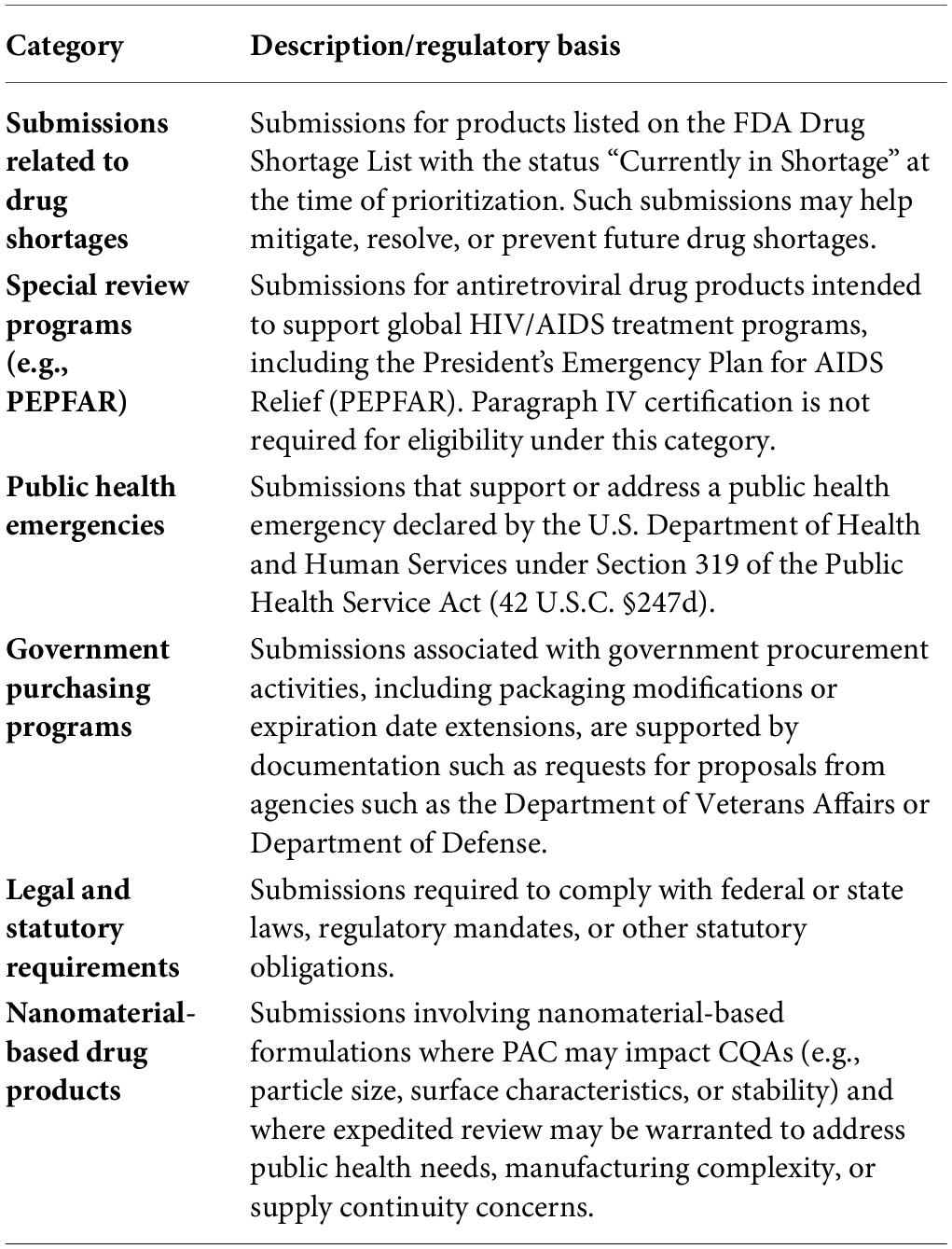
Table 4. Categories eligible for priority review under MAPP 5240.3 Rev. 5.
Supplements for which a priority review is requested under 21 CFR 314.70(B)(4)
According to 21 CFR 314.70(b)(4), an applicant may ask the FDA to give a supplement a priority review for public health concerns or if the applicant would suffer undue hardship if the changes outlined in the supplement were not implemented right away. In this context, undue hardship for the applicant is a relevant consideration. The priority review procedures for single-source abbreviated new drug applications and nanomaterial-based products are summarized in Table 5 (11).
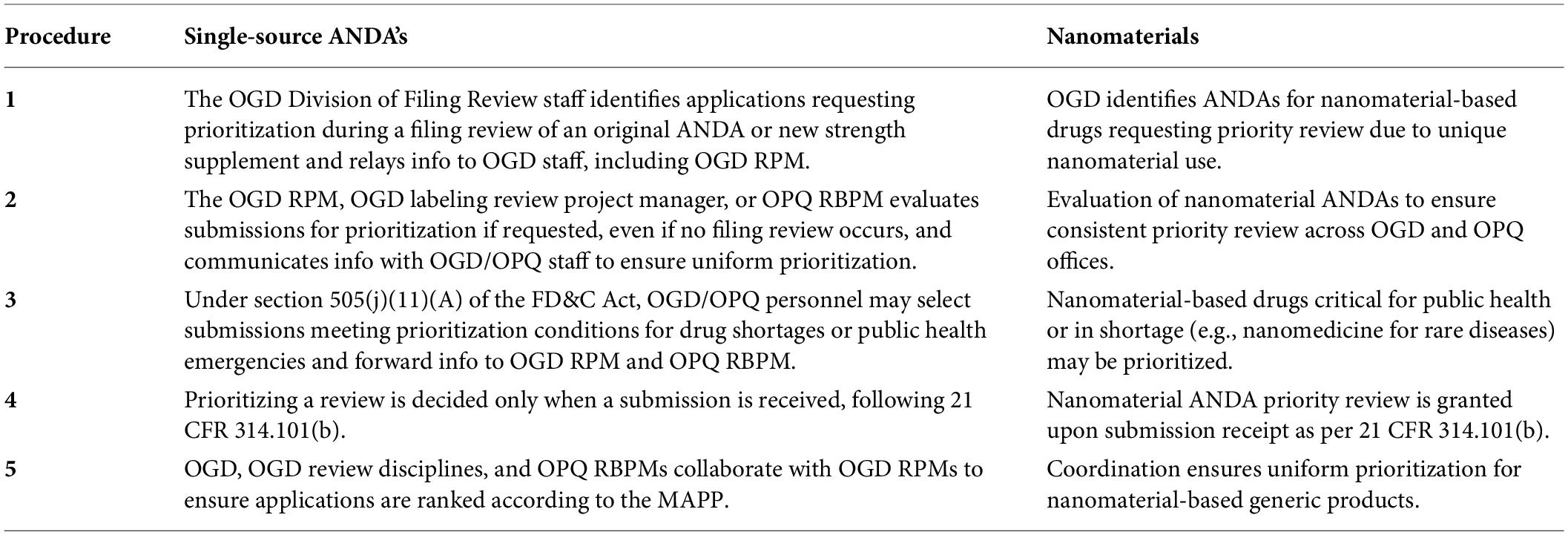
Table 5. Priority review procedures for single-source and nanomaterial ANDAs.
Examples include:
Unexpected cessation of an active substance, packaging material, or container closing mechanism; Facility relocation or modification due to a catastrophic occurrence; significant changes or supply interruption of a critical nanomaterial component used in the drug product that may impact safety, efficacy, or stability.
The pre-submission facility correspondence (PFC)
The Pre-Submission Facility Correspondence (PFC) is an initial application that enables priority ANDAs, PAS, and related modifications to be processed more efficiently. Applicants submit details of their manufacturing and bioequivalence (BE) facilities before ANDA submission, allowing the FDA to determine whether facility inspections are necessary and to plan them earlier in the review process (19). The PFC must be submitted at least 2 months prior to the planned ANDA, and facility information cannot be changed once the ANDA is approved. Containing information similar to an original ANDA, the PFC is valid in the U.S. for predetermined facility inspections and can allow the applicant to introduce the drug product before the standard ANDA goal date of 8 months. Applications eligible for PFC include Original ANDAs, PAS, and PAS Amendments (20). The FDA approves PFCs for reasons such as drug shortages, public health emergencies (e.g., COVID-19), invalid or non-infringing patents, or when only one reference listed drug and generic exist. All submissions are completed electronically via eCTD through the Electronic Submission Gateway (ESG).
List of facility information that should be submitted in the PFC for a priority ANDA
The facility information required for PFC is summarized in Table 6 (19).
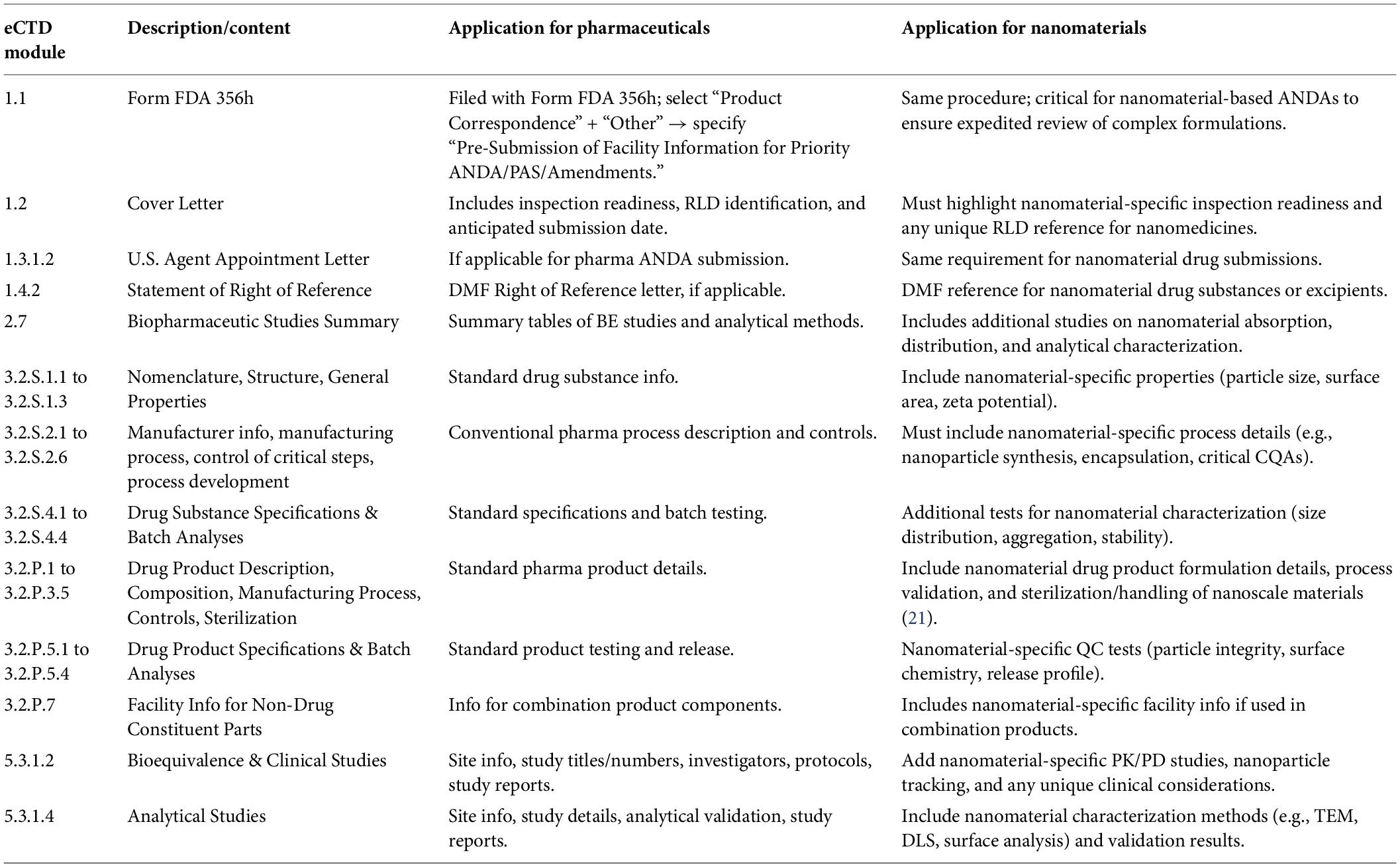
Table 6. Facility information required for pre-submission facility correspondence (PFC).
Establishment information
The establishment information required for manufacturing facilities is presented in Table 7 (14).
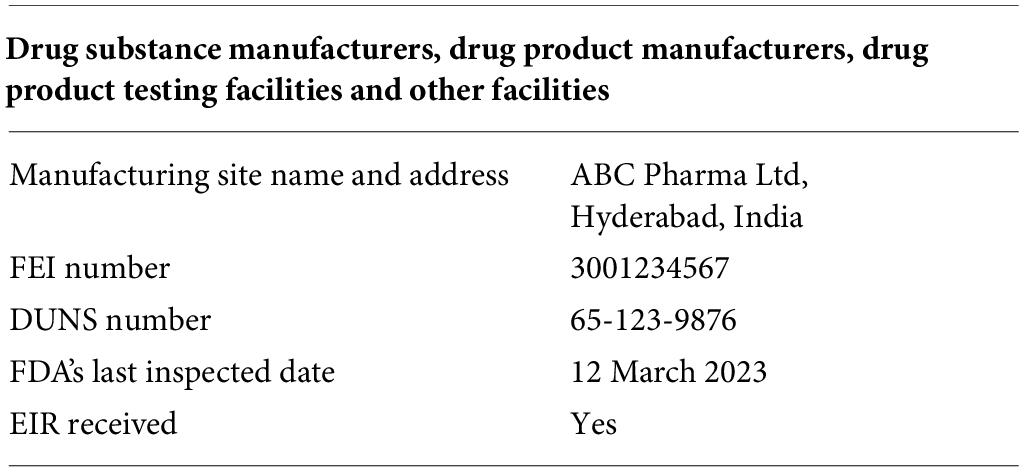
Table 7. Establishment information for manufacturing facilities.
Receipt and assessment process for pre-submission facility correspondence
The following section describes the process for the receipt and assessment of the PFC related to a priority Supplement.
Using the FDA’s electronic submissions gateway (ESG) to submit the PFC
1. Obtaining an Abbreviated New Drug application number that has been pre-assigned, if applicable
Before submitting the PFC, the applicant for original abbreviated new drug applications should ask for a pre-assigned ANDA number. On Form FDA 356h, the applicant should enter the pertinent ANDA application number for PASs, PAS amendments, and ANDA amendments.
2. Forwarding PFC via FDA’s ESG 200
According to the Agency’s guidelines, PFC must be provided online in eCTD format (22). To send the PFC through the ESG, select the relevant Center by choosing “CDER” and the submission type by selecting “eCTD.” As stated in section V.B. (below), the applicant must submit the priority Abbreviated New Drug application following the “ANDA Submission Timing.” FDA shall be informed in writing if the applicant chooses not to file the ANDA after submitting the PFC. The notification of the decision not to submit the ANDA must be sent to eCTD section 1.2, Cover Letter, with reference to the submission number.
3. The FDA’s Evaluation of PFC
As soon as the Agency receives the PFC, it will begin assessing it. The FDA will notify the applicant in writing that the PFC has been received. As further explained in Section VI, the FDA will determine the ANDA’s priority status after it is submitted and set the proper review goal date.
Submission timing
PFC must be submitted at least 60 days prior to the ANDA itself in order for an abbreviated new drug application to be eligible for priority review. The timely filing enables the regulatory body to review the facility details before receiving the ANDA.
Additionally, there should be no significant changes made to the information in the PFC in the Abbreviated New Drug application. The FDA urges applicants to submit the PFC no later than 90 days before the ANDA submission in order to minimize the possibility of major changes to facility information between the ANDA and PFC submissions, which could compromise the priority review status. It is advised that applicants read the advice document “Providing Regulatory Submissions in Electronic Format – Receipt Dates,” which was published in February 2014.
1. To comply with the requirement that the PFC must be submitted at least 60 days before the Abbreviated New Drug Application, if the ANDA is submitted on Monday, February 19, 2024, the PFC submission deadline is Thursday, December 21, 2023.
2. If an ANDA is submitted on Tuesday, November 14, 2023, the PFC must be submitted by Friday, September 15, 2023, to meet the 60-day prior submission requirement, even if the 60-day period ends on a weekend.
3. For an ANDA submission date of Thursday, July 4, 2024, the PFC should be submitted by Monday, May 6, 2024, to satisfy the 60-day advance submission rule, considering that the due date coincides with a federal holiday.
A signed certification statement must be submitted by the applicant when submitting an Abbreviated New Drug Application in section 1.2 of the electronic Common Technical Document (eCTD) format. One of the following must be attested to by this statement:
1. According to the GDUFA III commitment letter, the applicant attests that no material changes have been made to the information contained in the PFC.
2. In accordance with section 505(j)(11)(B) of the Federal Food, Drug, and Cosmetic Act (FD&C Act), the applicant acknowledges that the only modifications made were the removal of a facility that did not contribute to the generation of data for the application.
Notification to the applicant
Letter of Acceptance: The agency will issue a letter as part of the PFC assessment to Let the applicant know that the goal date, including any priority designation determination, will be supplied upon submission and receipt for the review of the abbreviated new drug application, and to avoid losing priority review target stake, the applicant is urged not to submit their ANDA and PAS before 60 days following the PFC date submission (14).
Conclusion
Effective management of PACs is critical among the components involved in lifecycle management of a pharmaceutical product to ensure continued product quality, safety, and efficacy through the entire period of commercialization (7, 23). Regulatory frameworks created by the FDA, in conjunction with the existing and evolving approaches by the EMA and harmonization-related activities of the International Council for Harmonisation (ICH), are establishing a greater emphasis on science and risk in the evaluation of PAC.
Post-approval changes involving pharmaceutical products are increasing in complexity and regulation. This is particularly true for nanopharmaceuticals that are highly susceptible to manufacturing variation, which will affect the CQAs of the products.
In the context of the evolving regulatory landscape for pharmaceutical products, several regulatory mechanisms exist to help manage the regulatory control of PAC and help the manufacturer achieve timely product availability in the market, such as prior approval supplements, CBE, PFC, and priority reviews.
An internationally growing uniformity in law related to drug approvals throughout the world in the years ahead will also allow for greater uniformity between the various legal systems found in different countries as they try to harmonize their operations with each other, which means providing more opportunities for the use of new innovative technologies such as nanoparticles and newer advanced delivery systems. There are going to be increased demands by regulators on technology and data utilized in the regulation of drugs, and therefore, regulatory agencies must adjust and change to be able to respond to the increased challenges of meeting the goals set by drug manufacturers, delivering appropriate medicine to patients, enhancing the regulatory processes, and creating more flexible and risk-adjusted regulatory frameworks (21).
In order to foster innovation in the development of new drugs, it is essential that the law that governs drug approval processes remains flexible and forward-looking so that patients everywhere will be able to have confidence that they are receiving safe and effective treatment for their ailments (24).
Funding
The authors declare that financial support was not received for this work and/or its publication.
Acknowledgments
The author wants to acknowledge the management of Sri Ramachandra Faculty of Pharmacy and Sri Ramachandra Institute of Higher Education and Research for their valuable support.
Conflict of interest
The authors declare that the research was conducted in the absence of any commercial or financial relationships that could be construed as a potential conflict of interest.
References
1. Darrow JJ, Kesselheim AS. Drug development and FDA approval, 1938-2013. N Engl J Med. (2014) 370(26):e39. doi: 10.1056/NEJMp1402114
2. Downing NS, Shah ND, Aminawung JA, Pease AM, Zeitoun JD, Krumholz HM , et al. Postmarket safety events among novel therapeutics approved by the US Food and Drug Administration between 2001 and 2010. JAMA. (2017) 317(18):1854–63. doi: 10.1001/jama.2017.5150
3. Pinnow E, Amr S, Bentzen SM, Brajovic S, Hungerford L, St George DM , et al. Postmarket safety outcomes for new molecular entity (NME) drugs approved by the food and drug administration between 2002 and 2014. Clin Pharmacol Therapeut. (2018) 104(2):390–400. doi: 10.1002/cpt.944
4. Ikeda J, Kaneko M, Narukawa M. Post-marketing safety-related regulatory actions on first-in-class drugs: a double-cohort study. J Clin Pharm Therapeu. (2020) 45(3):496–502. doi: 10.1111/jcpt.13096
5. Bulatao I, Pinnow E, Day B, Cherkaoui S, Kalaria M, Brajovic S , et al. Postmarketing safety-related regulatory actions for new therapeutic biologics approved in the United States 2002-2014: similarities and differences with new molecular entities. Clin Pharmacol Therapeut. (2020) 108(6):1243–53. doi: 10.1002/cpt.1948
6. Algorri M, Cauchon NS, Abernathy MJ. Transitioning chemistry, manufacturing, and controls content with a structured data management solution: streamlining regulatory submissions. J Pharm Sci. (2020) 109(4):1427–38. doi: 10.1016/j.xphs.2020.01.020
7. Fain K, Daubresse M, Alexander GC. The food and drug administration amendments act and postmarketing commitments. JAMA. (2013) 310(2):202–4. doi: 10.1001/jama.2013.7900
8. US Food and Drug Administration. Postmarketing Requirements and Commitments. (2024). Available online at: https://www.fda. gov/Drugs/GuidanceComplianceRegulatoryInformation/Post-marke tingPhaseIVCommitments/default.htm
9. Botelho SF, Martins MA, Vieira LB, Reis AM. Postmarketing safety events relating to new drugs approved in Brazil between 2003 and 2013: a retrospective cohort study. J Clin Pharmacol. (2017) 57(4):493–9. doi: 10.1002/jcph.822
10. International Council for Harmonisation. ICH Harmonised Guideline Q12: Technical and Regulatory Considerations for Pharmaceutical Product Lifecycle Management. International Council for Harmonisation (2019). Available online at: https://database.ich.org/sites/default/files/Q12_Guideline_Step4_2019_1119.pdf.
11. Rodríguez-Gómez FD, Monferrer D, Penon O, Rivera-Gil P. Regulatory pathways and guidelines for nanotechnology-enabled health products: a comparative review of EU and US frameworks. Front Med. (2025) 12:1544393. doi: 10.3389/fmed.2025.1544393
12. Mühlebach S. Regulatory challenges of nanomedicines and their follow-on versions: a generic or similar approach? Adv Drug Deliv Rev. (2018) 131:122–31. doi: 10.1016/j.addr.2018.06.024
13. US Food and Drug Administration. Fast Track, Breakthrough Therapy, Accelerated Approval, and Priority Review Programs for Drug Development. Silver Spring, MD: FDA (2018). Available online at: https://www.fda.gov/regulatory-information/search-fda-guidance-documents/drug-products-including-biological-products-contain-na nomaterials-guidance-industry
14. US Department of Health and Human Services. Guidance for Industry CMC Post Approval Manufacturing Changes to be Documented in Annual Reports. FDA (2003). Available online at: https://www.fda.gov/media/79182/download
15. Food and Drug Administration. Fast Track, Breakthrough Therapy, Accelerated Approval, Priority Review. United States: Food and Drug Administration (2018). Available online at: https://www.fda.gov/patients/learn-about-drug-and-device-approvals/fast-track-breakthrough-therapy-accelerated-approval-priority-review
16. Motoo N, Hayashi Y, Shimizu A, Ura M, Nishikawa R. Safety and effectiveness of bevacizumab in Japanese patients with malignant glioma: a post-marketing surveillance study. Jpn J Clin Oncol. (2019) 49(11):1016–23. doi: 10.1093/jjco/hyz125
17. Kim C, Prasad V. Cancer drugs approved on the basis of a surrogate end point and subsequent overall survival: an analysis of 5 years of US food and drug administration approvals. JAMA Int Med. (2015) 175(12):1992–4. doi: 10.1001/jamainternmed.2015.5868
18. US Food and Drug Administration. Drug Shortages: Root Causes and Potential Solutions. Silver Spring, MD: FDA (2020). Available online at: https://www.fda.gov/regulatory-information/search-fda-guidance-documents/considering-whether-fda-regulated-product-involves-appli cation-nanotechnology
19. Hoey B. A Comprehensive Study on the Global Regulatory Requirements for the submission of a Post Approval Change, Specifically a Change in Manufacturing Site. (2017). Available online at: https://etd.uwc.ac.za/bitstream/handle/11394/6128/Hoey_MSc_NSC_2017.pdf?sequence=1&isAllowed=y.
20. Sharmila SK, Bonthagarala B, Nagabhushanam MV, Ramakrishna G, Sindhu SY. Abbreviated New Drug Application (ANDA) Filing Checklist. Rev (1985). Available online at: https://scholarship.law.edu/lawreview/vol35/iss2/5/.
21. US Food and Drug Administration. Use of Real-World Evidence to Support Regulatory Decision-Making for Medical Devices. Silver Spring, MD: FDA (2023). Available online at: https://www.fda.gov/science-research/real-world- evidence/fda-use-real-world-evidence-regulatory-decision-making?
22. FDA. Draft Guidance for Industry Submitting Debarment Certification Statements. FDA (1998). Available online at: https://www.fda.gov/media/72557/download
23. Pease AM, Krumholz HM, Downing NS, Aminawung JA, Shah ND, Ross JS. Postapproval studies of drugs initially approved by the FDA on the basis of limited evidence: systematic review. BMJ (Clin Res ed.) (2017) 357:j1680. doi: 10.1136/bmj.j1680
24. Food and Drug Administration. CDER Patient-Focused Drug Development. (2026). Available online at: https://www.fda.gov/drugs/development-approval-process-drugs/cder-patient-focused-drug-deve lopment
© The Author(s). 2026 Open Access This article is distributed under the terms of the Creative Commons Attribution 4.0 International License (https://creativecommons.org/licenses/by/4.0/), which permits unrestricted use, distribution, and reproduction in any medium, provided you give appropriate credit to the original author(s) and the source, provide a link to the Creative Commons license, and indicate if changes were made.