
Introduction
A sponge is a cleaning implement composed of soft, porous material, primarily used for cleaning non-porous surfaces and particularly effective in absorbing water and aqueous solutions. Initially crafted from natural sea sponges, most are now manufactured from synthetic materials. The earliest references to sponges for cleanliness date back to Ancient Greece (1). Competitors in the Olympic Games anointed themselves with sea sponges saturated in olive oil or perfume prior to competition. In Homer’s Odyssey, the deity Hephaestus cleanses his hands, face, and chest with a sea sponge, while attendants in Odysseus’s palace use sea sponges to clean tables after meals. Greek philosophers Aristotle and Plato referenced marine sponges in both scientific and historical contexts. The ancient Greeks and Romans used sea sponges affixed to poles for anal hygiene, known as the xylospongium, which they cleansed with seawater (2). Ancient Romans also used sea sponges extensively for personal cleanliness and other purposes. The belief in the medicinal properties of sponges led to their use in healthcare for wound cleansing and illness treatment (3). The creation of synthetic sponges became feasible only with the development of polyester in the 1920s and the commercial production of polyurethane foam in 1952 (4). Vessel-cleaning scrubs are specialized implements used to remove dirt and food stains from cookware and dishes, and this is the routine in all households and commercial kitchens. Vessel-cleaning scrubs are available in various materials such as plastic mesh, nylon, steel wool, and other synthetic abrasives. Recent studies suggest that they have more potential health risks. The objective of this brief analysis is to investigate the risk associated with traditional vessel-cleaning scrubs and changes to propose safer and more environmentally friendly alternative materials (5).
Composition of common vessel-washing scrubs
Commercially available scrubs are made from synthetic materials such as nylon mesh, polyurethane foam, or steel wool. These formulations use chemical coatings to increase cleaning efficacy or inhibit bacterial growth in the vessels. These materials are strong, but they aren’t necessarily safe to touch food and may break down over time, releasing tiny
pieces of plastic or metal. Sponges frequently have a rough surface that may scratch delicate kitchenware or skin (6). Vegetable cellulose, polyester, or polyurethane may be used to make synthetic sponges. Polyester sponges are frequently soft and yellow, which makes them good for cleaning dishes. They use polyurethane because it is rough. Kitchen sponges may let out tiny pieces of plastic and microplastics when they are used. People usually use wood-fiber vegetable cellulose sponges on their skin and in the bath. These sponges are usually more expensive and last longer than polyester sponges. They are better for the environment than synthetic sponges since they are manufactured from natural materials and break down in the environment (7). Figure 1 illustrates common household cleaning sponges with dual-layer construction: the yellow foam provides absorbency and flexibility for general cleaning, while the green abrasive layer is designed for scrubbing tough stains and surfaces. This dual-function design is widely used in both domestic and commercial cleaning applications.

Figure 1. Vessel-cleaning scrubs commonly used in domestic cleaning.
When a sponge is left wet between uses, it can serve as a substrate for harmful bacteria or fungi. Studies have shown that some sponges may retain Salmonella for more than 7 days (8).
Health hazards associated with scrub usage
Physical risks
Abrasive scrubs can cause small cuts and skin abrasions, particularly with steel wool or hard plastic scrubbers. Frequent exposure may lead to contact dermatitis or irritation, especially in individuals with sensitive skin. Persistent friction can compromise the skin’s barrier, resulting in irritation or disorders such as contact dermatitis. Hsieh and Tsai (9) note that recurrent mechanical irritation may lead to friction-induced dermatitis, manifesting as erythema, pruritus, and scaling. Individuals with sensitive skin should avoid abrasive cleaning tools and choose milder options to reduce the risk of skin harm. Table 1 shows the physical risk of cleaning scrubs.
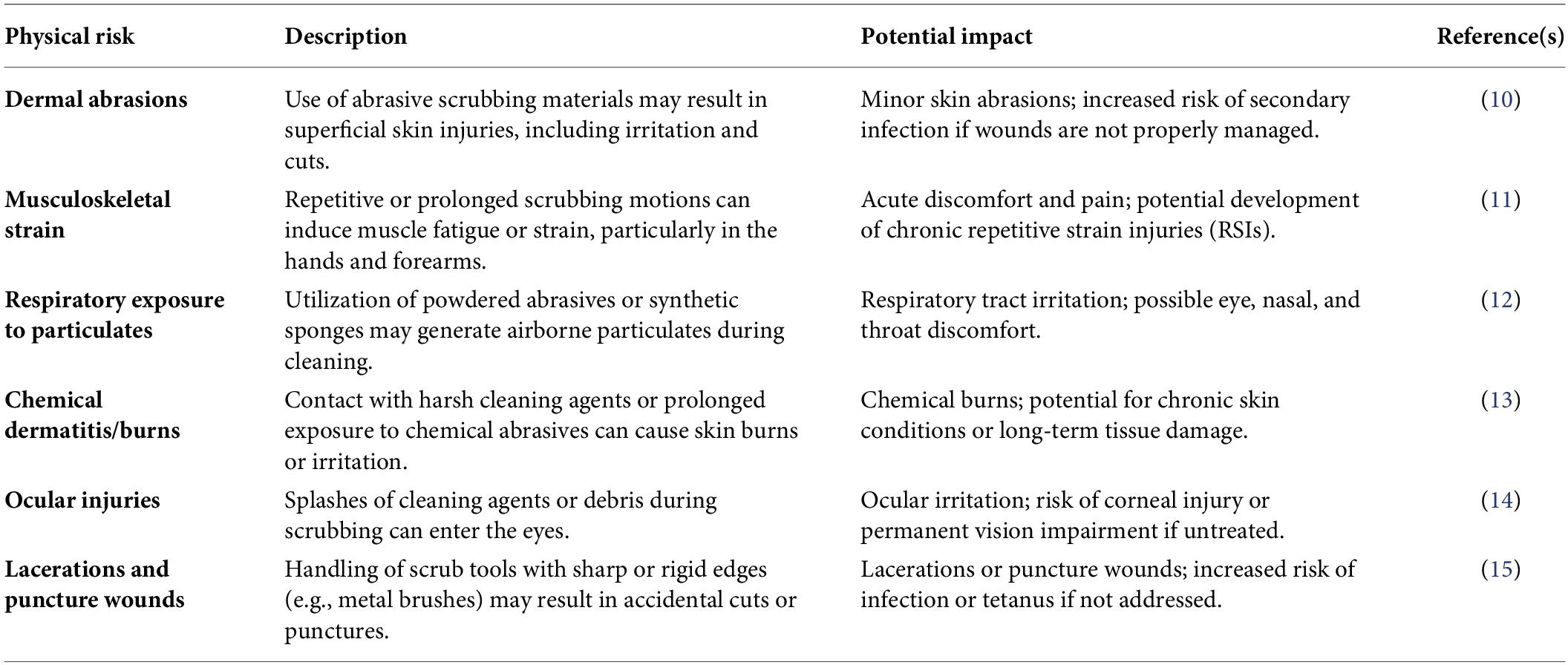
Table 1. Potential physical hazards linked to the everyday use of vessel scrubs.
Chemical risks
Chemical hazards can arise when using old or damaged kitchen scrubs, which may leave behind microplastics and chemical residues. For example, melamine sponges release microplastic fibres into the environment when worn down. Su et al. (16) found that these sponges release more than a trillion microplastic threads per month under normal use. Microplastics can adhere to surfaces and utensils, potentially leading to ingestion. Additionally, cleaning products may leave chemical residues that adhere to scrubbed surfaces. Sánchez et al. (17) observed that cooking and processing can facilitate the release of plastic ingredients such as phthalates and bisphenol A, which may then enter the bloodstream. It’s crucial to think about the safety and quality of kitchen wipes to reduce chemical exposure and health hazards. Table 2 makes it easy to grasp the chemical risks of scrubs.
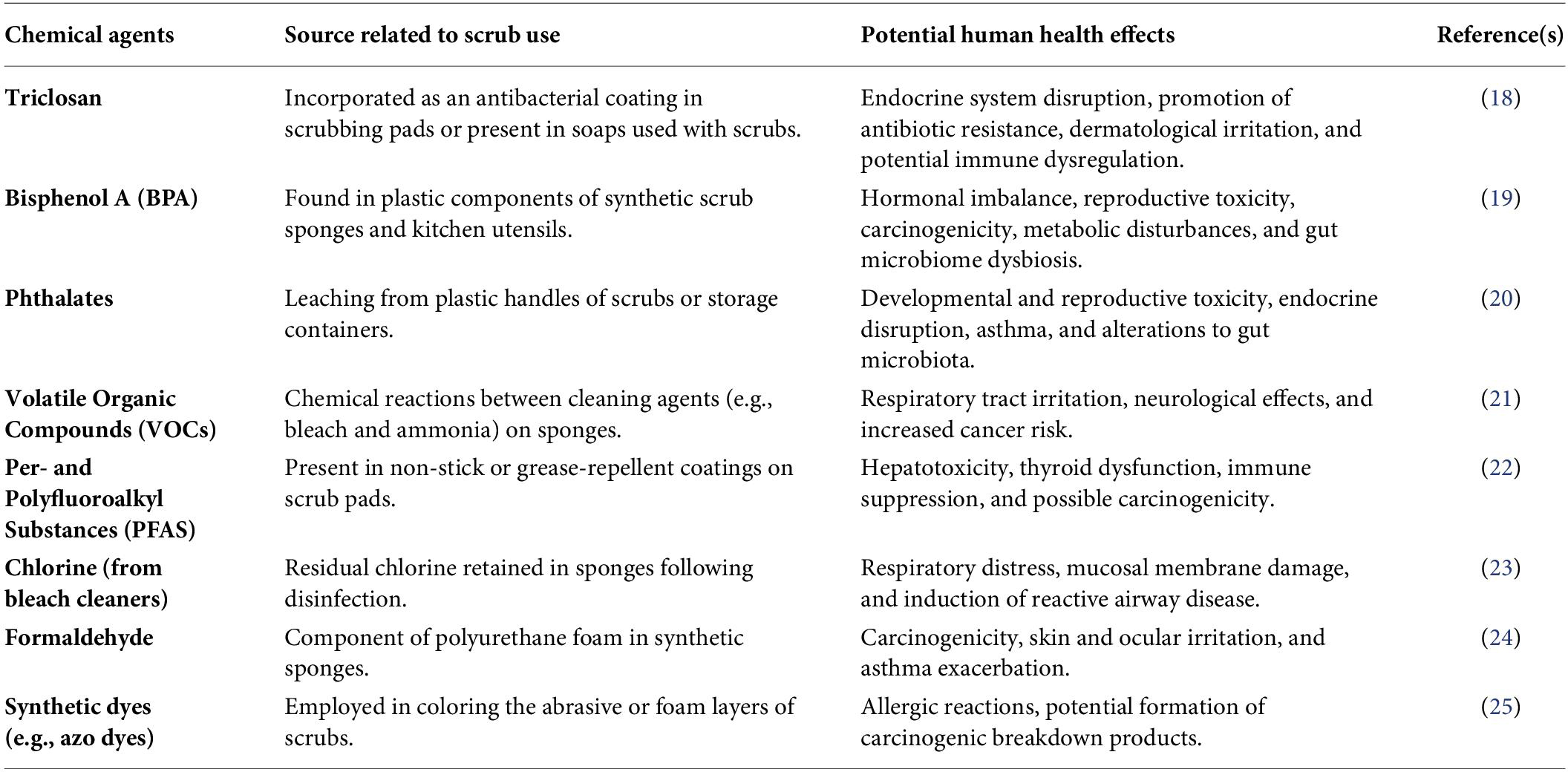
Table 2. Potential chemical hazards arising from the use of kitchen vessel scrubs and their related effects on human health.
Microbial risks
The health and immunity of everyone in the home frequently rely on how clean the cleaning instruments are. Sponges that are used to clean dishes may be places where hazardous germs grow. People can think that infections caused by dirty sponges are foodborne illnesses. Researchers have shown that kitchen sponges may hold more germs than toilets, with up to 54 million bacteria per cubic centimeter. Bacteria may spread to vessels and other surfaces while they are being used, which can cause serious infections such as meningitis, pneumonia, fever, dysentery, and blood poisoning.
According to research by Osaili et al. (26), kitchen sponges used in student dorms included a lot of mesophilic aerobic bacteria, coliforms, Enterobacteriaceae, and yeasts/molds. Enterobacter cloacae (56%) and Klebsiella oxytoca (16%) were the Enterobacteriaceae that were most often found on their own. All of the E. cloacae isolates were resistant to more than one drug. Sponges and scrubs that retain moisture are breeding grounds for bacteria such as E. coli, Salmonella, and Staphylococcus aureus. Inadequate cleaning or prolonged use increases the risk of cross-contamination between dishes and surfaces. Marotta et al. (27) found significant microbial contamination in 100 used kitchen sponges, including aerobic mesophilic bacteria, Enterobacteriaceae, and yeasts/molds. Notably, 22.3% of enterobacterial strains tested positive for extended spectrum beta lactamase (ESBL), highlighting sponges as reservoirs for antibiotic-resistant pathogens. Figure 2 shows microbial growth on kitchen scrubbers. This underscores the risk of foodborne illnesses from poor hygienic practices, as mentioned in the supportive images for microbial risk hazards.

Figure 2. Comparative analysis of microbial growth on different types of kitchen scrubbers.
The synthetic sponge exhibits very high contamination with various pathogenic bacteria, as indicated by red color-coded zones. The natural fiber sponge shows occasional environmental microbes and lower bacterial contamination (green), while the brush demonstrates minimal bacterial contamination due to less moisture retention. Color coding represents microbial load: red for high and green for low contamination.
Borrusso and Quinlan (28) found foodborne pathogens in 45% of Philadelphia homes, with contaminated sponges and cloths serving as strong indicators of wider surface contamination. Table 3 shows the microbial hazards of the scrubs and microbes and their associated diseases.
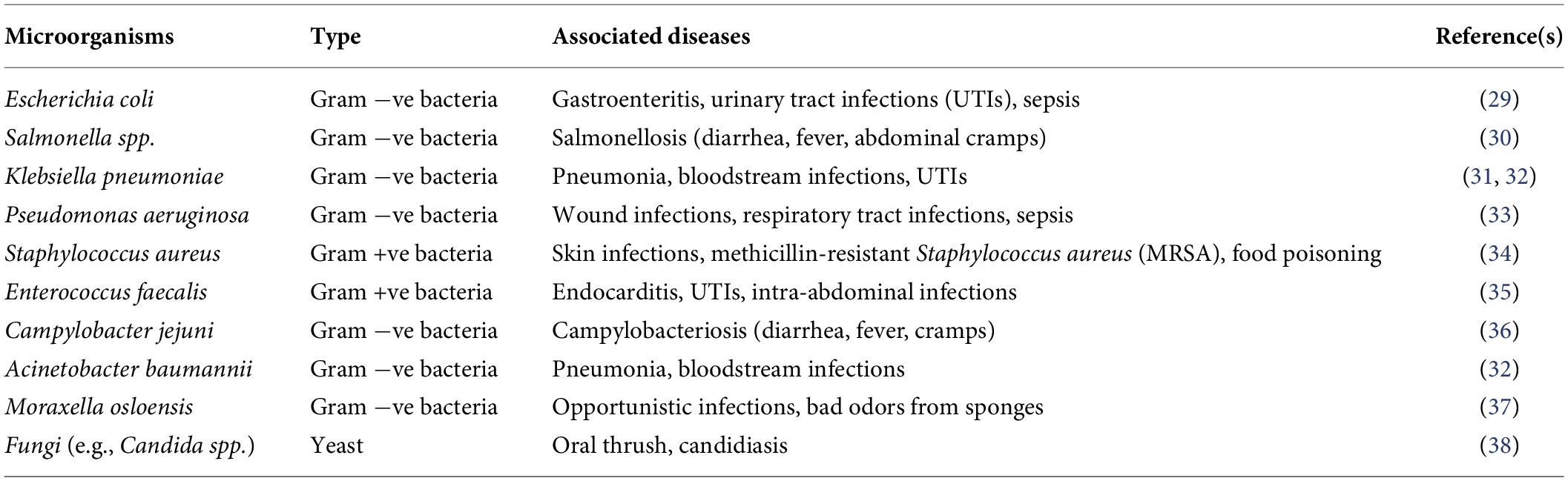
Table 3. Microbial hazards linked to prolonged use of vessel scrubs.
How to destroy the bacteria
Several methods can effectively clean sponges. Microwaving wet sponges for 2 minutes kills 99% of coliforms, E. coli, and MS2 phages, though Bacillus cereus spores require 4 minutes. It is critical to ensure sponges are wet before microwaving to prevent fire hazards. Dishwashers and soaking in dilute detergent solutions are also effective. Alternative cleaning tools include scrub brushes, silicone brushes, metal scrubs, and dishwashers. Table 4 explains clearly about clearing the microbes in the different possible ways and safer uses of daily scrub usage.
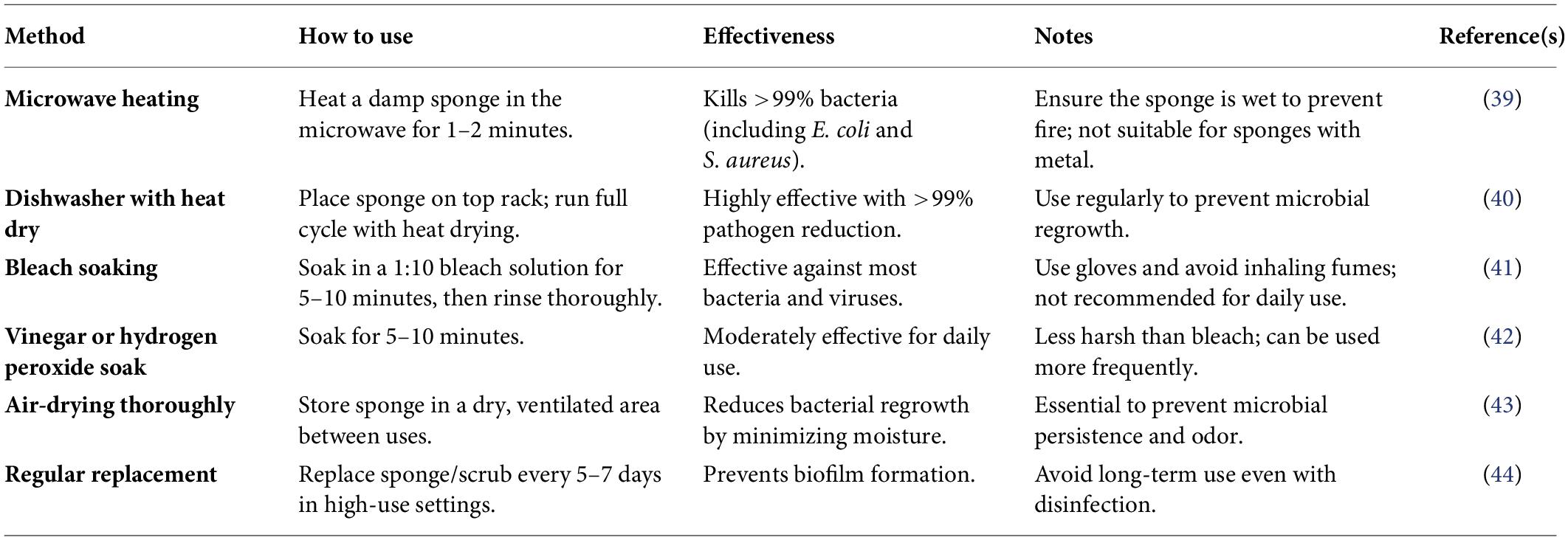
Table 4. Safer uses of daily usage vessel-cleaning scrubs.
Environmental concerns
The use of synthetic kitchen sponges contributes to environmental pollution through the release of microplastics. As these sponges degrade during regular cleaning, they shed microplastic and nanoplastic fibers that enter wastewater systems and accumulate in aquatic environments. These particles are not biodegradable, can harm marine life, and may enter the human food chain. Luo et al. (6) confirmed the release of such particles from kitchen sponges, highlighting their persistent nature and ecological impact. Reducing sponge use or switching to eco-friendly alternatives is essential.
Material innovations
Natural fiber scrubbers, such as those made from coconut coir, loofah, and cellulose, are increasingly popular as eco-friendly alternatives to synthetic sponges. These materials are safe for skin and cookware and are biodegradable. Amutha and Ramya (45) demonstrated that natural fiber scrub pads made from cotton, sisal, coir, and banana bract were durable and suitable for kitchen cleaning, offering an effective alternative to non-biodegradable synthetic scrubbers. The study showed that these organic scrub pads could be used instead of manmade scrubbers that don’t break down, which would be better for the earth. Table 5 presents the prevention of physical, chemical, and biological hazards by the cleaning scrubs.

Table 5. Prevention of physical, chemical, and biological hazards by the cleaning of vessels.
Hygienic practices
To prevent the spread of harmful bacteria, it is essential to keep kitchen sponges clean. Research by Sharma and Mudd (53) found that microwaving a wet sponge for 1 minute killed 99.99999% of bacteria, while dishwashing achieved a 99.9998% reduction. However, due to rapid bacterial recolonization, frequent sanitization may not significantly reduce the bacterial load. Therefore, kitchen sponges should be replaced every week or two and thoroughly cleaned after each use. Table 6 shows the recommended alternatives for hygiene practices.

Table 6. Recommended alternatives for hygiene usage.
Safer alternatives: challenges, cost, and performance compared to synthetics
Market availability
Natural alternatives—such as loofah, coconut coir, cellulose, and cotton scrubbers—are increasingly available in eco-friendly stores and online marketplaces but are still less prevalent in mainstream supermarkets compared to synthetic sponges and scrubbers. Some “natural” products may contain synthetic fibers or adhesives, so consumers must check labels for truly plastic-free options.
Cost considerations
Natural scrubbers often have a higher upfront cost than the cheapest synthetic sponges. However, well-made natural cleaning tools (such as wooden or fiber brushes and loofah sponges) can be more durable and long-lasting than low-quality plastic ones, potentially offsetting the initial investment over time. For example, single-layer loofah sponges and high-quality brushes are reported to last several months of daily use.
Durability and real-world performance
Natural Loofah and Fiber Scrubbers: Natural loofah and fiber scrubbers are great cleaning tools since they gently and effectively cleanse surfaces without damaging them. They may be used for a wide range of cleaning jobs. Their fiber, porous texture helps them dry quickly, which prevents moisture from building up and makes them smell better than synthetic sponges (59). This property of drying quickly also reduces the growth of germs, which makes them cleaner when used appropriately. Loofahs are healthy for the environment since they are made from the mature fruit of the luffa plant and break down naturally. This makes them a longer-lasting alternative to plastic scrubbers (60). You may use them for a lot of tasks, including cleaning your house and scrubbing your skin. They remain robust and work well with cleaning agents that are safe for the environment.
Cotton Scrubbers: Cotton scrubbers are ideal for cleaning since they are gentle yet work well. They work well on delicate surfaces and around the house every day. They can soak up liquids and manage moisture, which makes cleaning easier (61). Families with sensitive skin or those who wish to minimize their exposure to toxins in their homes can use cotton scrubbers instead of other types of scrubbers since they don’t have any chemicals or synthetic colors (62). It’s also a natural fiber that can be cultivated again and again and breaks down on its own. This is better for the environment since it generates less plastic waste and trash in landfills than synthetic scrubbers. Cotton scrubbers last a long time and may be used several times. You can wash them and use them again. This lowers the amount of trash and consumption (63, 64). Cotton scrubbers are an excellent option for cleaning since they are beneficial for the environment and for your skin.
Cellulose Sponges: Cellulose sponges are a natural and sustainable product derived from wood fibers. They originate from the cellulose polymer constituting plant cell walls, particularly prevalent in wood pulp. These sponges are produced by extracting cellulose from wood pulp, purifying it by removing lignin and other contaminants, and then molding it into a porous, highly absorbent configuration (65). Cellulose sponges decompose naturally and do not contribute to microplastic pollution, making them far more environmentally friendly than plastic-based sponges. Numerous commercial cellulose sponges are labeled as “cellulose sponges,” although they often include synthetic components that diminish their biodegradability and alter their functionality. Cellulose sponges often clean as well as synthetic sponges due to their softness, absorbency, flexibility, and durability (66). This makes them an excellent option for regular use that is also environmentally friendly. The arrangement of cellulose fibers imparts strength and creates an interconnected network of pores. This facilitates rapid liquid absorption and gentle cleaning.
Synthetic Sponges: Easy to find and inexpensive, synthetic sponges, especially ones with rough sides, are often used to remove tough spots and dirt. Plastic polymers like polyurethane foam make up most of these sponges. They also usually have glues and manufactured fillers that don’t break down in nature (67) in them. In time, friction breaks them down, releasing microplastics, which are tiny pieces of plastic less than five millimeters long. These bits get into sewers and finally hurt rivers, seas, and marine environments. According to some studies, when melamine foam sponges wear out, they may release more than 6.5 million microplastic fibers per gram. Corti et al. (68) say that this could mean that billions of these fibers are dumped into the ecosystem every month. Plastic particles called microplastics can stay in the environment for hundreds of years. They may end up in food chains and hurt the health of animals. Their dangerous nature and ability to mess with hormones mean they may also be bad for people’s health. Also, using a lot of fossil fuels to make synthetic sponges adds to greenhouse gas emissions and leaves a big carbon footprint (16). Although these sponges are good for cleaning, they are very bad for the earth. This emphasizes how important it is for customers to seek out more eco-friendly and plastic-free choices to lower microplastic waste and environmental damage.
Efficacy
Research and user testing indicate that natural fiber scrubs (loofah, coconut coir, cotton) are as effective as, or sometimes superior to, synthetic options for cleaning dishes, especially for removing stuck-on food without scratching. Their absorbency and quick-drying properties also reduce bacterial growth compared to synthetics, which tend to retain moisture and develop odors more quickly.
Adoption challenges
There are a few big challenges with encouraging more people to use natural sponges and scrubbers. These include how people use them, how eco-friendly products are branded, and how well people perceive natural alternatives to function. People find it hard to switch to natural sponges because they are accustomed to how they feel, how well they clean, and how cheap they are. Customers usually want sponges that are cheap, last a long time, and are easy to use. Synthetic sponges usually suit these demands. This makes it impossible for eco-friendly alternatives to take over the market, even when people think they are more expensive or not as good. Another huge concern is that some things that are labeled as “natural” or “eco-friendly” yet include synthetic fibers or adhesives in them. People who wish to acquire items that are really biodegradable and chemical-free have a hard time finding them because of this. This lack of clear labeling or certification makes it difficult to get consumers to choose things that are good for the environment, and it also makes them less likely to trust the products.
Lastly, how well people believe natural scrubbers clean and how long they last are really crucial for encouraging people to purchase them. Researchers and market surveys have shown that natural sponges and fiber scrubbers absorb up water, clean softly, and last just as long as synthetic ones. Some individuals, on the other hand, are still not sure whether they can handle a lot of dirt or last a long time, which makes them less inclined to acquire them. More and more people are learning about personal care products that are excellent for the skin, hypoallergenic, and good for the environment. As a result, the demand for these products is growing. The natural sponge market is predicted to grow at a compound annual growth rate (CAGR) of around 5% through 2030 since these anxieties are going away.
Environmental and health benefits
Natural alternatives are biodegradable and compostable, breaking down in months rather than centuries and leaving no harmful residues. They are free from synthetic chemicals, making them safer for sensitive users and the environment.
Commentary: natural vs synthetic scrubbers
Market Availability: More and more retailers and online marketplaces are selling natural scrubbers made of loofah, coconut fibers, wood, or cotton. But they are still behind synthetic sponges in terms of how many stores carry them, particularly in big-box stores and regular supermarkets. This lack of exposure might make it tougher for regular people to find or get to them. Right now, specialty and eco-friendly shops are the best places to get these items. As more people become aware of and want the product, it will likely be available in more places.
Durability: Natural scrubbers made from strong plant fibers like loofah or coconut coir are frequently better than cheap synthetic sponges, which tend to break down, rip, or smell bad after a short time of usage. Synthetic choices may look strong at first, but inexpensive sponges often break down rapidly, so you have to replace them often. Natural scrubbers, on the other hand, may keep their shape for months of frequent usage as long as they are cleaned and dried correctly. Their strength may help cut down on home trash and long-term expenditures of buying things.
Efficacy: Natural sponges, such as loofah, coconut, and cellulose sponges, work just as well as synthetic ones for cleaning dishes, surfaces, and cookware in most home situations. Some natural scrubbers are softer on nonstick cookware, according to studies and user experiences. This helps keep pans from being scratched and makes them last longer. Also, since they may be composted and dry out faster, they are less likely to hold germs and mold, which makes the kitchen cleaner over time.
Cost: Natural scrubbers may cost more up front than regular synthetic sponges, but their longer life may make up for the extra expense over time. The fact that they can break down in the environment or be composted adds even more value since it cuts down on trash disposal costs and damage to the ecosystem. Using natural scrubbers may be good for the environment and save money in the long run for customers who are ready to spend a little extra up front.
Adoption: More people will use natural scrubbers if a few things happen: more people learn about their advantages, product labels are made clearer and more consistent, and they become more widely available in regular stores. Many people who would want to purchase these items still don’t know how they stack up against regular synthetics in terms of performance and long-term use. As manufacturers and activists keep spreading the word and stores provide more choices, adoption rates are likely to go up a lot.
In summary, natural scrubbers offer a sustainable, effective, and increasingly practical alternative to synthetic products, with challenges remaining primarily in consumer perception, labeling, and widespread accessibility.
Public awareness and recommendations
Educating the public about the health hazards associated with cleaning products and promoting safe usage is crucial. Møretrø et al. (5) found that individual cleaning practices significantly impact bacterial growth on cleaning implements, indicating a need for increased public knowledge. Alwan et al. (69) observed that, although individuals were proficient in using household disinfectants, awareness remained low. Targeted public campaigns and clear product labeling, along with regulatory guidelines and training programs, can help improve hygiene and reduce health risks.
Future research directions
Long-Term Efficacy Studies: To find out how well natural fiber scrubbers, microfiber cloths, and other potential eco-friendly options kill germs and clean, we need to do long-term, in-depth comparisons. Most of the evidence we have so far is based on short-term lab circumstances that may not be the same as how we use our kitchens every day, such as going through wet and dry cycles and being among different food residues. To provide useful suggestions on safety and performance, we need to do field research in the real world with a wide range of user behaviors and settings. These studies might help customers and authorities find the solutions that are the most sanitary, long-lasting, and environmentally friendly. Filling up these gaps would also make it possible to find the best ways to disinfect diverse materials.
Innovative Disinfection Methods: To improve hygiene and lower the danger of pathogenic contamination, it is important to look into novel, easy-to-use ways to disinfect cleaning instruments for homes and businesses. Technologies like UV-C irradiation, ozone-based cleaning, and antimicrobial coatings show promise, but more research is needed to find out how safe, affordable, and easy they are to use (70). To really know how well these technologies work and how well they work with different materials, we need to test them in household and food service settings where they are used a lot. These kinds of changes might make it harder for microbes to survive and make people more confident in using natural and reusable items. Working with engineers and health experts will be very important for turning prototypes into solutions that can be used by many people (71, 72).
Environmental Impact Assessments: Strong life-cycle assessment (LCA) studies are needed to correctly measure how environmentally friendly kitchen cleaning products are. These should look at how the raw materials are sourced, how much pollution is caused by production, how the product is transported, how consumers use it, how much microplastic it sheds, how quickly it breaks down, and how it is disposed of at the end of its life. Comparative LCAs of synthetic options (like polyurethane sponges) and natural options (like loofah, cellulose, and coconut fibers) may show how they differ in terms of water, carbon, and toxin footprints. This big-picture view is important for making sure that product design and policy do as little damage to the environment as possible, particularly because microplastic pollution is becoming a bigger problem.
Consumer Behavior and Education: To make successful instructional programs, we need to do empirical study on how people feel, think, and behave when it comes to choosing cleaning products. Knowing what stops people from using safer and more environmentally friendly methods, such as how much they think they would cost, how acquainted they are with the products, or false information, may help you plan focused ads and nudges. Longitudinal and behavioral studies may also look at which methods work best to get people to make long-lasting changes in their kitchen hygiene and eco-friendly behaviors. To get people to change their behavior on a big scale, it’s important to raise public awareness and back it up with clear, evidence-based messages.
Policy and Industry Standards: It is very important to have clear industry standards, clear labeling, and rules that deal with the safety, health, and environmental claims made by cleaning product makers. Clear and enforced rules would help stop greenwashing, keep customers safe from false advertising, and encourage the use of really safe and eco-friendly products. To set certification standards and make testing procedures the same all over the world, policymakers, scientists, and people in the business need to work together. Standardizing things like this helps the market expand for better options and makes sure that people trust eco-friendly and health-promoting items.
In summary, moving forward requires a collaborative effort among researchers, industry, and consumers to prioritize healthy, effective, and environmentally responsible cleaning solutions for kitchens. Regular replacement of sponges, adoption of advanced sanitization technologies, and ongoing research into safer alternatives will be key to reducing risks and promoting sustainable hygiene practices.
Conclusion
Kitchen scrubs and sponges, while essential for maintaining cleanliness, can pose substantial health and environmental risks if misused or neglected. The combination of physical wear, chemical leaching, microbiological colonization, and non-biodegradable waste underscores the need for more responsible usage and safer alternatives. Evidence supports the use of natural fiber scrubbers, microfiber cloths, and biodegradable detergents, as well as enhanced hygiene measures such as frequent disinfection and replacement. To minimize health risks, it is advisable to replace kitchen sponges every 5–7 days in domestic settings. In commercial kitchens, the adoption of UV-sanitizing holders or similar advanced disinfection technologies can further reduce microbial contamination and cross-infection risks.
References
1. Pronzato, R, and Manconi, R. Mediterranean commercial sponges: over 5000 years of natural history and cultural heritage. Marine Ecol. (2008) 29(2):146–66. doi: 10.1111/j.1439-0485.2008.00227.x
2. Voultsiadou, E, and Gkelis, S. Greek and the phylum Porifera: a living language for living organisms. J Zool. (2006) 267(2):143–57. doi: 10.1017/S0952836905007326
3. Sipkema, D, Franssen, MC, Osinga, R, Tramper, J, and Wijffels, RH. Marine sponges as pharmacy. Mar Biotechnol (New York, N.Y.). (2005) 7(3):142–62. doi: 10.1007/s10126-004-0405-5
4. Gama, NV, Ferreira, A, and Barros-Timmons, A. Polyurethane foams: past, present, and future. Materials (Basel, Switzerland). (2018) 11(10):1841. doi: 10.3390/ma11101841
5. Møretrø, T, Moen, B, Almli, VL, Teixeira, P, Ferreira, VB, Åsli, AW, et al. Dishwashing sponges and brushes: consumer practices and bacterial growth and survival. Int J Food Microbiol. (2021) 337:108928. doi: 10.1016/j.ijfoodmicro.2020.108928
6. Luo, Y, Qi, F, Gibson, CT, Lei, Y, and Fang, C. Investigating kitchen sponge-derived microplastics and nanoplastics with Raman imaging and multivariate analysis. Sci Total Environ. (2022) 824:153963. doi: 10.1016/j.scitotenv.2022.153963
7. Yang, W, Li, W, Lei, Y, He, P, Wei, G, and Guo, L. Functionalization of cellulose-based sponges: design, modification, environmental applications, and sustainability analysis. Carbohydr Polym. (2025) 348(Pt A):122772. doi: 10.1016/j.carbpol.2024.122772
8. Røssvoll, E, Langsrud, S, Bloomfield, S, Moen, B, Heir, E, and Møretrø, T. The effects of different hygiene procedures in reducing bacterial contamination in a model domestic kitchen. J Appl Microbiol. (2015) 119(2):582–93. doi: 10.1111/jam.12869
9. Hsieh, CY, and Tsai, TF. Friction-aggravated skin disorders-a review of mechanism and related diseases. Dermatitis. (2023) 34(4):287–96. doi: 10.1097/DER.0000000000000961
10. Karatuğ, Ç, Ceylan, BO, and Arslanoğlu, Y. A risk assessment of scrubber use for marine transport by rule-based fuzzy FMEA. Proc Inst Mech Eng M J Eng Marit Environ. (2024) 238(1):114–25.
11. Krishnan, KS, Raju, G, and Shawkataly, O. Prevalence of work-related musculoskeletal disorders: psychological and physical risk factors. Int J Environ Res Public Health. (2021) 18(17):9361. doi: 10.3390/ijerph18179361
12. Mukherjee, S, Siddiqi, H, Maiti, P, Parmar, P, and Meikap, BC. A comprehensive analysis of removal of hazardous dust particulates from chemical and process industries off gases by advanced wet scrubbing techniques–a review. J Loss Prev Process Ind. (2024) 91:105406.
13. Schlarbaum, JP, and Hylwa, SA. Allergic contact dermatitis to operating room scrubs and disinfectants. Dermatitis (2019) 30(6):363–70. doi: 10.1097/DER.0000000000000525
14. Rauchman, SH, Locke, B, Albert, J, De Leon, J, Peltier, MR, and Reiss, AB. Toxic external exposure leading to ocular surface injury. Vision (Basel, Switzerland). (2023) 7(2):32. doi: 10.3390/vision7020032
15. Trott, AT. Wounds and Lacerations: Emergency Care and Closure (Expert Consult-Online and Print). Philadelphia, PA: Elsevier Health Sciences (2012).
16. Su, Y, Yang, C, Wang, S, Li, H, Wu, Y, Xing, B, et al. Mechanochemical formation of poly(melamine-formaldehyde) microplastic fibers during abrasion of cleaning sponges. Environ Sci Technol. (2024) 58(24):10764–75. doi: 10.1021/acs.est.4c00846
17. Sánchez, A, Vélez, D, and Devesa, V. Processes influencing the toxicity of microplastics ingested through the diet. Food Chem. (2024) 456:139947. doi: 10.1016/j.foodchem.2024.139947
18. Bhargava, HN, and Leonard, PA. Triclosan: applications and safety. Am J Infect Control. (1996) 24(3):209–18. doi: 10.1016/s0196-6553(96)90017-6
19. Rubin, BS. Bisphenol A: an endocrine disruptor with widespread exposure and multiple effects. J Steroid Biochem Mol Biol. (2011) 127(1–2):27–34. doi: 10.1016/j.jsbmb.2011.05.002
20. Hauser, R, and Calafat, AM. Phthalates and human health. Occup Environ Med. (2005) 62(11):806–18. doi: 10.1136/oem.2004.017590
21. Nazaroff, WW, and Weschler, CJ. Cleaning products and air fresheners: exposure to primary and secondary air pollutants. Atmos Environ. (2004) 38(18):2841–65.
22. Sunderland, EM, Hu, XC, Dassuncao, C, Tokranov, AK, Wagner, CC, and Allen, JG. A review of the pathways of human exposure to poly- and perfluoroalkyl substances (PFASs) and present understanding of health effects. J Expo Sci Environ Epidemiol. (2019) 29(2):131–47. doi: 10.1038/s41370-018-0094-1
23. Bello, A, Quinn, MM, Perry, MJ, and Milton, DK. Characterization of occupational exposures to cleaning products used for common cleaning tasks–a pilot study of hospital cleaners. Environ Health. (2009) 8:11. doi: 10.1186/1476-069X-8-11
24. IARC. Formaldehyde.IARC Monographs on the Evaluation of Carcinogenic Risks to Humans. Vol. 100F. WHO (2012).
25. Chung, KT. Azo dyes and human health: a review. Environ Health J Environ Sci Health C Environ Carcinog Ecotoxicol Rev. (2016) 34(4):233–61. doi: 10.1080/10590501.2016.1236602
26. Osaili, TM, Obaid, RS, Alowais, K, Almahmood, R, Almansoori, M, Alayadhi, N, et al. Microbiological quality of kitchens sponges used in university student dormitories. BMC Public Health. (2020) 20(1):1322. doi: 10.1186/s12889-020-09452-4
27. Marotta, SM, Giarratana, F, Calvagna, A, Ziino, G, Giuffrida, A, and Panebianco, A. Study on microbial communities in domestic kitchen sponges: Evidence of Cronobacter sakazakii and Extended Spectrum Beta Lactamase (ESBL) producing bacteria. Ital J Food Saf. (2019) 7(4):7672. doi: 10.4081/ijfs.2018.7672
28. Borrusso, PA, and Quinlan, JJ. Prevalence of pathogens and indicator organisms in home kitchens and correlation with unsafe food handling practices and conditions. J Food Prot. (2017) 80(4):590–7. doi: 10.4315/0362-028X.JFP-16-354
29. Morales-Mora, E, Rivera-Montero, L, Montiel-Mora, JR, Barrantes-Jiménez, K, and Chacón-Jiménez, L. Assessing microbial risks of Escherichia coli: a spatial and temporal study of virulence and resistance genes in surface water in resource-limited regions. Sci Total Environ. (2025) 958:178044.
30. Popa, GL, and Papa, MI. Salmonella spp. infection-a continuous threat worldwide. Germs. (2021) 11(1):88.
31. Chang, D, Sharma, L, Dela Cruz, CS, and Zhang, D. Clinical epidemiology, risk factors, and control strategies of Klebsiella pneumoniae infection. Front Microbiol. (2021) 12:750662.
32. Kerimoglu, E, Catak, T, and Kilinc, A. Evaluation of infections caused by carbapenem-resistant Pseudomonas aeruginosa. Antibiotics. (2025) 14(7):700.
33. Letizia, M, Diggle, SP, and Whiteley, M. Pseudomonas aeruginosa: ecology, evolution, pathogenesis and antimicrobial susceptibility. Nat Rev Microbiol. (2025):1–17. doi: 10.1038/s41579-025-01193-8
34. Moges, M, Rodland, EK, and Ambelu, A. Health risk assessment of Staphylococcus aureus and Salmonella from the consumption of street foods in Ethiopia. BMC Infect Dis. (2025) 25(1):576.
35. Rinaldi, M, Rancan, I, Malerba, F, Gatti, M, Ancillotti, L, and Tazza, B. Enterococcus faecium bacteraemia: a multicentre observational study focused on risk factors for clinical and microbiological outcomes. J Antimicrob Chemother. (2025) 80(8):dkaf197. doi: 10.1093/jac/dkaf197
36. Jonnagiri, NPKR, Zakariene, G, Nawaz, N, Gabinaitiene, A, and Stimbirys, A. The potential of lactic acid bacteria and dairy by-products in controlling Campylobacter jejuni in poultry. Microorganisms. (2025) 13(5):996.
37. Wistrand, C, Söderquist, B, and Friberg, Ö Sundqvist AS. Bacterial air contamination and the protective effect of coverage for sterile surgical goods: a randomized controlled trial. Am J Inf Control. (2025) 53(4):467–72.
38. Tang, J. Quantitative Benchmarking of Household Surface Decontamination: Comparing Chemical Disinfectants, Natural Alternatives, and Physical Removal of Environmental Microbes. (2025), PREPRINT (Version 1) (2025). doi: 10.21203/rs.3.rs-6448022/v1
39. Arenas, CN, Vélez, MB, Vélez, CF, Díaz, AZG, and Ángel, JDM. Identifying the characteristics after microwave inactivation for recovering materials to make plastic wood. Revista EIA. (2025) 22(44):4422.
40. Okoffo, ED, Tscharke, BJ, and Thomas, KV. Release of micro-and nanosized particles from plastic articles during mechanical dishwashing. ACS ES&T Water. (2025) 5(6):2870–81.
41. World Health Organization, Pandemic and Epidemic Diseases.Infection Prevention and Control of Epidemic- and Pandemic-Prone Acute Respiratory Infections in Health Care. Geneva: World Health Organization (2014). Annex G, Use of disinfectants: alcohol and bleach. Available from: https://www.ncbi.nlm.nih.gov/books/NBK214356/
42. Soto, AF, Mendes, EM, Arthur, RA, Negrini, TC, Lamers, ML, and Mengatto, CM. Antimicrobial effect and cytotoxic activity of vinegar-hydrogen peroxide mixture: a possible alternative for denture disinfection. J Prosthet Dent. (2019) 121(6): 966e1–e6. doi: 10.1016/j.prosdent.2019.02.019
43. Liaposhchenko, O, Bondar, D, Ochowiak, M, Pavlenko, I, and Włodarczak, S. Modeling of separation with drying processes for compressed air using an experimental setup with separation–condensation and throttling devices. Energies. (2024) 17(13):3129. doi: 10.3390/en17133129
44. Kora, AJ. Renewable, natural, traditional dish wash cleaning materials used in India: an overview. Bull Natl Res Cent (2024) 48:28. doi: 10.1186/s42269-024-01185-3
45. Amutha, K, and Ramya, R. Development of scrub pad from natural fibres. Int J Creat Res Thoughts. (2022) 10(1):2324–30.
46. Niyonzima, FN. Detergent-compatible fungal cellulases. Folia Microbiol. (2021) 66(1):25–40. doi: 10.1007/s12223-020-00838-w
47. Hidayat, R, and Wulandari, P. The efficacy and safety of electrolyzed water against Covid-19 as an alternative hand sanitizer. Med Glas. (2022) 19(2): doi: 10.17392/1485-22
48. Zeqiri, B, Hodnett, M, and Carroll, AJ. Studies of a novel sensor for assessing the spatial distribution of cavitation activity within ultrasonic cleaning vessels. Ultrasonics. (2006) 44(1):73–82. doi: 10.1016/j.ultras.2005.08.004
49. Oztoprak, N, Kizilates, F, and Percin, D. Comparison of steam technology and a two-step cleaning (water/detergent) and disinfecting (1,000 resp. 5,000 ppm hypochlorite) method using microfiber cloth for environmental control of multidrug-resistant organisms in an intensive care unit. GMS Hyg Infect Control. (2019) 14:Doc15. doi: 10.3205/dgkh000330
50. Ervina, A, Santoso, J, Prasetyo, BF, Setyaningsih, I, and Tarman, K. Formulation and characterization of body scrub using marine alga Halimeda macroloba, chitosan and konjac flour. IOP Conference Series: Earth and Environmental Science. (Vol. 414, No. 1). IOP Publishing (2020). p. 012004.
51. Gillespie, E, Lovegrove, A, and Kotsanas, D. Health care workers use disposable microfiber cloths for cleaning clinical equipment. Am J Infect Control. (2015) 43(3):308–9. doi: 10.1016/j.ajic.2014.12.003
52. Shcheglov, YV, Fedorova, NV, and Shaforost, DA. The abrasive properties of coal power plants ash and slag materials. Solid State Phenom. (2020) 299:845–51.
53. Sharma, M, and Mudd, C. Best Ways to Clean Kitchen Sponges. USDA Agricultural Research Service (2007). Retrieved from https://www.ars.usda.gov/news-events/news/research-news/2007/best-ways-to-clean-kitchen-sponges
54. Dadon, M, Chedid, K, Martin, ET, Shaul, I, Greiver, O, Katz, I, et al. The impact of bedside wipes in multi-patient rooms: a prospective, crossover trial evaluating infections and survival. J Hosp Infect. (2023) 134:50–6. doi: 10.1016/j.jhin.2022.11.025
55. Akyildiz, SH, Fiore, S, Bruno, M, Sezgin, H, Yalcin-Enis, I, Yalcin, B, et al. Release of microplastic fibers from synthetic textiles during household washing. Environ Pollut (Barking, Essex: 1987). (2024) 357:124455. doi: 10.1016/j.envpol.2024.124455
56. Møretrø, T, Ferreira, VB, Moen, B, Almli, VL, Teixeira, P, Kasbo, IM, et al. Bacterial levels and diversity in kitchen sponges and dishwashing brushes used by consumers. J Appl Microbiol. (2022) 133(3):1378–91. doi: 10.1111/jam.15621
57. Gensler, C, Harper, K, Stoufer, S, Moore, MD, Kinchla, AJ, and McLandsborough, L. Exploring washing procedures for produce brush washer. J Food Prot. (2023) 86(9):100126. doi: 10.1016/j.jfp.2023.100126
58. Rianmora, S, Seng, S, and Intaruk, R. Developing an easy-to-maintain UV sanitizer cabinet for safe and efficient disinfection and improved hygiene practices. Eng J. (2023) 27(4):1–27.
59. Zhang, F, Wang, C, Zhou, J, Wu, J, Gu, H, and Lin, W. Hydrophobic sponge derived from natural loofah for efficient oil/water separation. Sep Purif Technol. (2024) 330:125519.
60. Yuan, Y, Zhou, S, Liu, Y, and Tang, J. Nanostructured macroporous bioanode based on polyaniline-modified natural loofah sponge for high-performance microbial fuel cells. Environ Sci Technol. (2013) 47(24):14525–32.
61. Dursun, S, and Yıldız, SZ. Eco-friendly bleaching of cotton fabrics without heating using direct process water in the presence of sodium chlorite and phosphonate. J Nat Fibers. (2023) 20(1): 2146248.
62. Nafees, AA, De Matteis, S, Kadir, MM, Burney, P, Coggon, D, Semple, S, et al. MultiTex RCT - a multifaceted intervention package for protection against cotton dust exposure among textile workers - a cluster randomized controlled trial in Pakistan: study protocol. Trials. (2019) 20(1):722. doi: 10.1186/s13063-019-3743-3
63. Burguburu, A, Tanné, C, Bosc, K, Laplaud, J, Roth, M, and Czyrnek-Delêtre, M. Comparative life cycle assessment of reusable and disposable scrub suits used in hospital operating rooms. Clean Environ Syst. (2022) 4: 100068.
64. Tuychiev, T, Gafurov, A, and Jumamuratova, V. Experimental results of the improved cotton regenerator under production conditions. E3S Web of Conferences. (Vol. 497). EDP Sciences (2024). p. 03039.
65. Yang, P, Gao, Y, He, W, An, J, Liu, J, Li, N, et al. A wood pulp sponge cleaning wipe as a high-performance bioanode material in microbial electrochemical systems for its vast biomass carrying capacity, large capacitance, and small charge transfer resistance. J Mater Sci Technol. (2024) 181:1–10.
66. Zhang, C, Cai, T, Ge-Zhang, S, Mu, P, Liu, Y, and Cui, J. Wood sponge for oil-water separation. Polymers. (2024) 16(16):2362. doi: 10.3390/polym16162362
67. Fu, J, Liu, N, Peng, Y, Wang, G, Wang, X, and Wang, Q. An ultra-light sustainable sponge for elimination of microplastics and nanoplastics. J Hazard Mater. (2023) 456:131685.
68. Corti, A, Pagano, G, Giudice, AL, Papale, M, Rizzo, C, and Azzaro, M. Marine sponges as bioindicators of pollution by synthetic microfibers in Antarctica. Sci Total Environ. (2023) 902:166043.
69. Alwan, N, Almazrouei, S, Almazrouei, M, Aldhaheri, J, Alismaili, F, and Ghach, W. Evaluation of public awareness and performance toward the safe use of household disinfectants-cleaners to prevent COVID-19 in the Emirate of Abu Dhabi. Front Public Health. (2023) 11:1214240. doi: 10.3389/fpubh.2023.1214240
70. O’Brien, L, Skidmore, P, Wall, C, Wilkinson, T, Muir, J, Frampton, C, et al. A low FODMAP diet is nutritionally adequate and therapeutically efficacious in community dwelling older adults with chronic diarrhoea. Nutrients. (2020) 12(10):3002. doi: 10.3390/nu12103002
71. Scoffone, VC, Trespidi, G, Barbieri, G, Irudal, S, Perrin, E, and Buroni, S. Role of RND efflux pumps in drug resistance of cystic fibrosis pathogens. Antibiotics. (2021) 10(7):863. doi: 10.3390/antibiotics10070863
72. Sharma, M, Eastridge, J, and Mudd, C. Effective household disinfection methods of kitchen sponges. Food Control. (2009) 20(3):308–13. doi: 10.1016/j.foodcont.2008.05.020
© The Author(s). 2025 Open Access This article is distributed under the terms of the Creative Commons Attribution 4.0 International License (https://creativecommons.org/licenses/by/4.0/), which permits unrestricted use, distribution, and reproduction in any medium, provided you give appropriate credit to the original author(s) and the source, provide a link to the Creative Commons license, and indicate if changes were made.